Last Updated on March 15, 2020
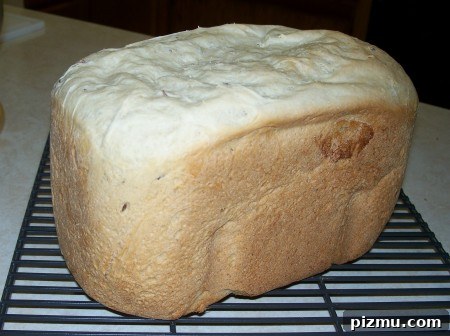
If you have wanted to try rye bread but felt a bit hesitant, this recipe is a gentle introduction. It uses a modest amount of light rye flour combined with white bread flour and a touch of caraway seeds for a mild, aromatic finish. The result is a tender, cake-like loaf that still carries the classic rye flavor without being overpowering.
This version was one of my earliest attempts at rye bread and remains a reliable, approachable loaf for celebrations, sandwiches, or everyday toasting. It works especially well when you want a rye note without the dense chew of traditional heavy rye or pumpernickel.

I first made this loaf years ago to pair with Saint Patrick’s Day leftovers and sandwiches. I experimented with a couple of rye recipes and ended up enjoying both — this one because it is light, versatile, and quick to become a family favorite. We even compared different rye loaves side by side to see which we preferred; that tasting led to a lasting appreciation for rye bread in our kitchen.
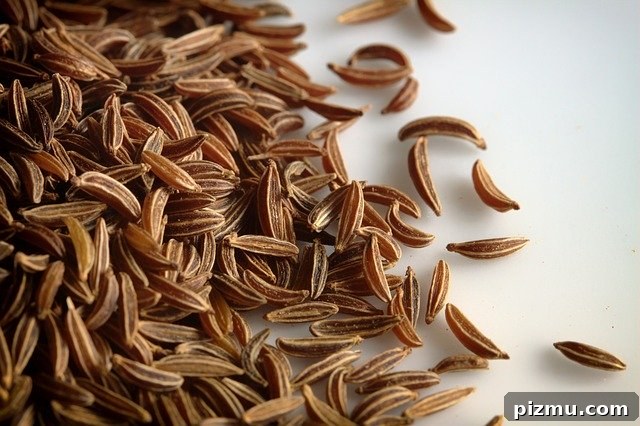
Caraway seeds are an optional but traditional addition. They have a mild licorice-like flavor that complements the rye flour and gives the bread a characteristic aroma. If you are unsure about caraway, start with the amount in this recipe; you can always reduce or omit them in future bakes to suit your taste.
Making Extra Light Rye Bread
This recipe produces a two-pound loaf. If you bake in a bread machine, follow the order of ingredients recommended by your machine’s manufacturer. On many machines the liquids go in first; on others, the dry ingredients are added first. Refer to your manual for the best results.
During the first kneading cycle, check the dough after five to ten minutes. Open the lid briefly and assess the consistency. The dough should form a smooth, rounded ball. If it seems too dry, add liquid one teaspoon at a time until it comes together. If it is too wet or sticky, add flour a tablespoon at a time until the dough is manageable and springs back when touched.
Let the machine complete the rising and baking cycles, or transfer the dough to a lightly floured surface for a final shaping and bake in a conventional oven if you prefer. For a crisp crust, brush the top with water before placing it in the oven and leave steam in the oven for the first few minutes by placing a shallow pan of hot water on the bottom rack.
Extra Light Rye Bread Recipe
1 1/2 cups water
2 tablespoons olive oil
4 1/4 cups white bread flour
2/3 cup light rye flour
2 tablespoons sugar
1 tablespoon caraway seeds (optional)
1 1/2 teaspoons salt
2 teaspoons active dry yeast
Notes and tips:
– Measure flour accurately by spooning it into the measuring cup and leveling it off, or weigh ingredients for best consistency.
– If using instant yeast instead of active dry yeast, reduce the amount by about 15% and follow your bread machine or recipe timing.
– For a richer flavor, substitute part of the water with milk or add a tablespoon of honey instead of sugar.
– Store any leftover slices in a bread box or wrapped at room temperature for up to three days, or freeze slices for longer storage.
This loaf is great for sandwiches, toasting, or serving alongside soups and salads. It’s forgiving for beginner bakers and adaptable as you refine hydration and flavor to your personal preference.