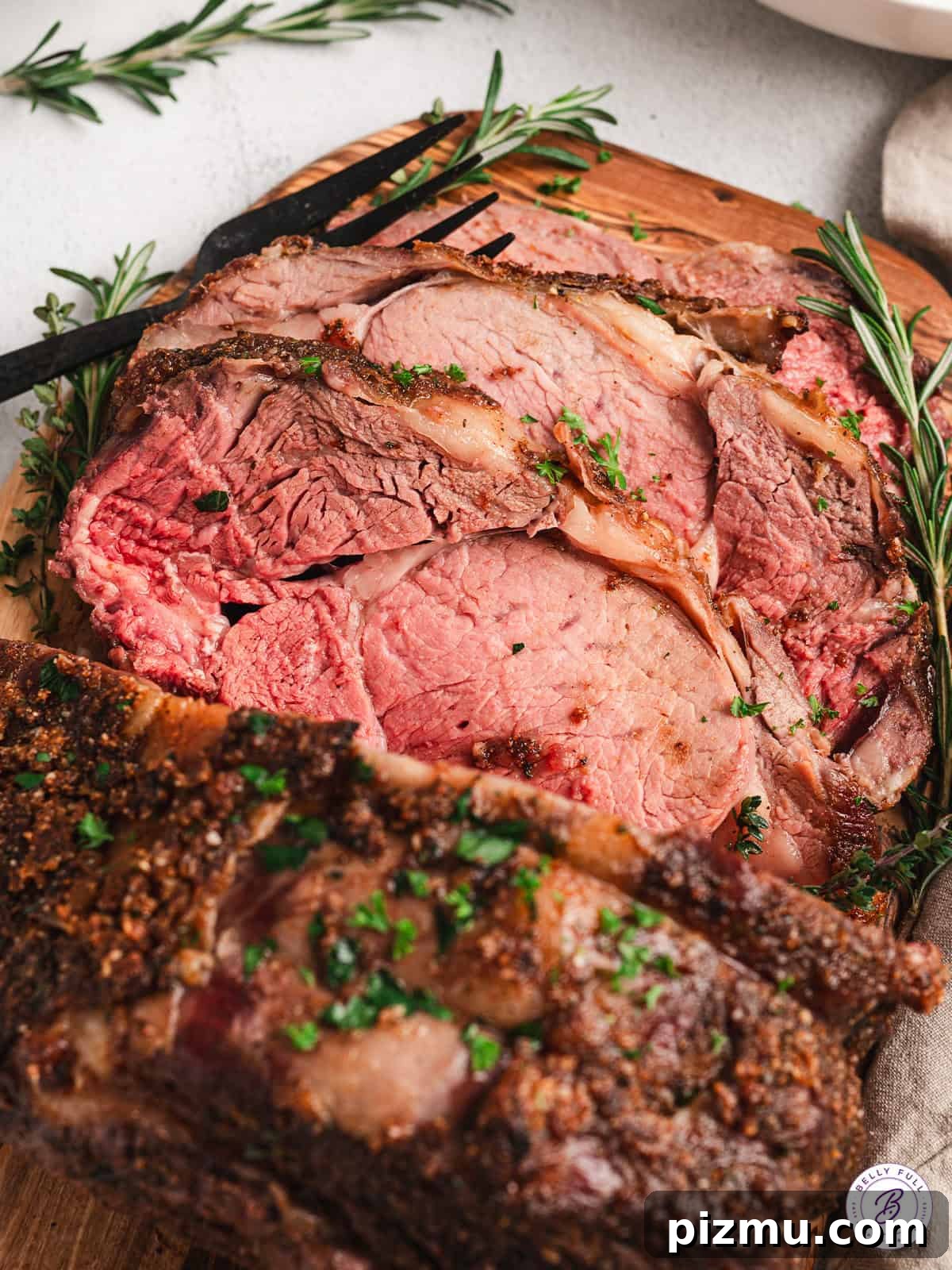
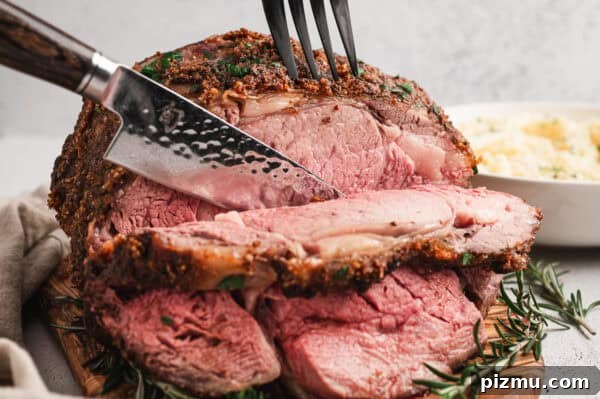
I know cooking a prime rib (bone-in) can feel intimidating — it’s a lot of meat — but it’s easier than it looks. I coat the roast with a simple butter-and-spice rub, cook it low and slow in the oven, then finish with a quick sear for a perfect crust. This reverse-sear approach helps you control doneness and delivers a juicy, tender roast every time. With a digital meat thermometer and a roasting pan with a rack you can confidently make a showstopping prime rib for family and guests.
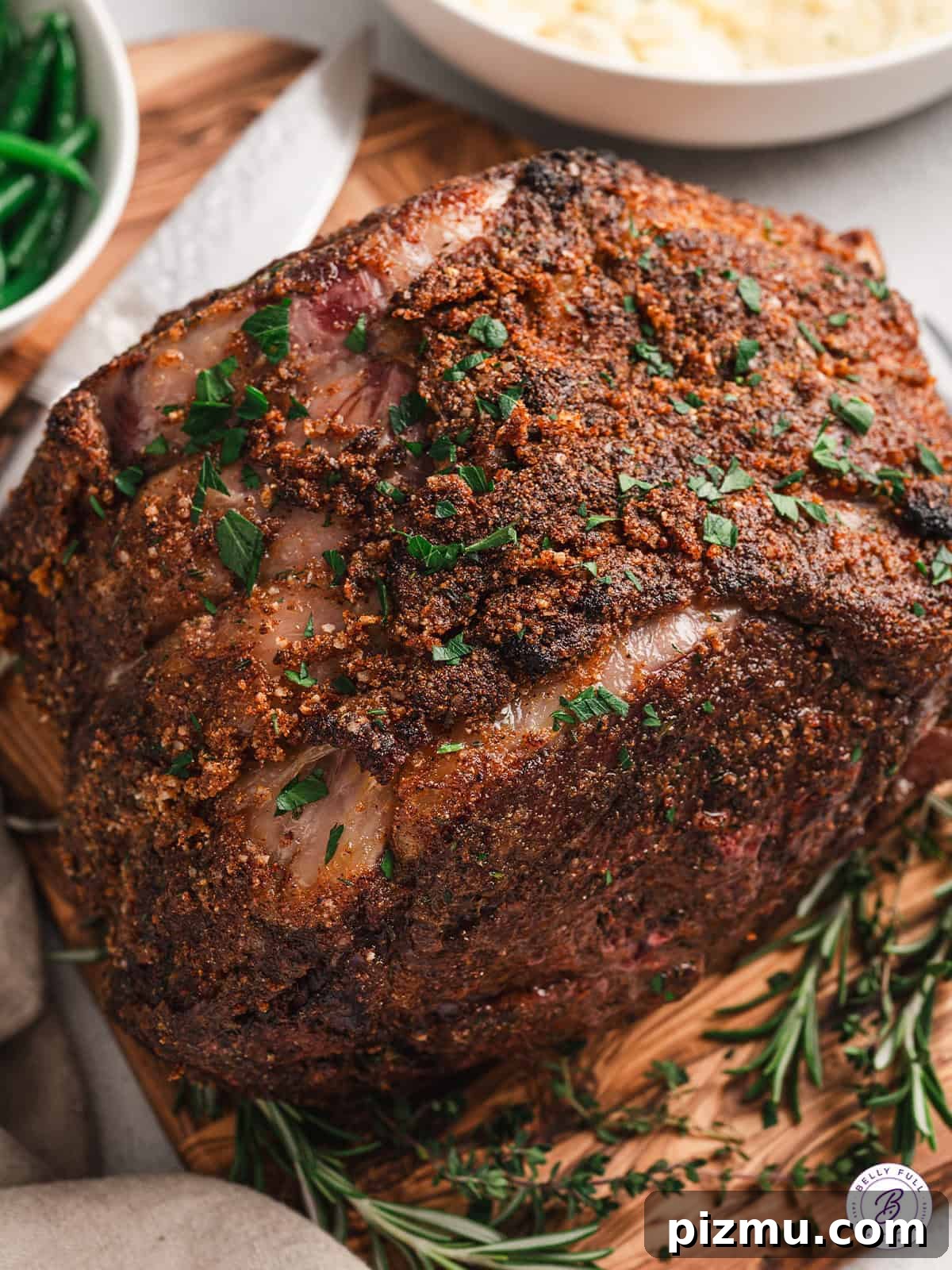
A prime rib roast, also called a standing rib roast, is a holiday favorite: rich, beefy, and great for feeding a crowd. It’s also ideal for leftovers—sliced for sandwiches or reheated for another meal. Because it’s an expensive cut, many people worry about ruining it. I’ll walk you through the process step-by-step, share sourcing tips and cooking notes, and give you the exact seasoning and temperatures so you can get it right the first time.
What’s in this Bone-in Prime Rib Recipe?
Below are the main components you’ll need. Scroll to the recipe card for exact measurements and the full method.
- Prime rib roast (bone-in): Ask your butcher to remove the ribs and reattach them (trussing) for easier carving and consistent shape. Choose a roast with good marbling for juicier, more flavorful results.
- Salted butter: Smearing softened salted butter on the roast helps the rub adhere and contributes to a flavorful crust.
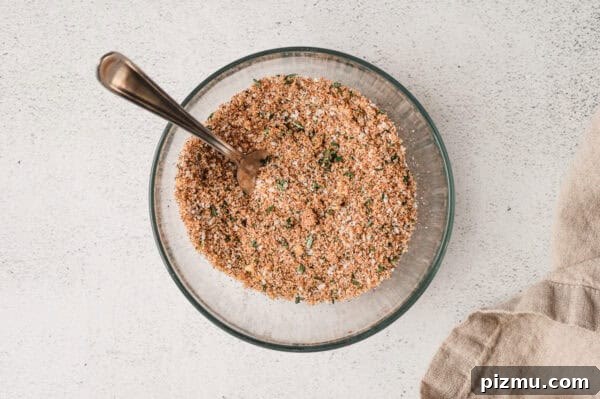
- Seasoning rub: A homemade rub of sea salt, black pepper, garlic powder, onion powder, smoked paprika, dark brown sugar, and fresh rosemary and thyme. Letting the rub rest on the meat overnight intensifies the flavor.
- High-heat cooking oil: Use a neutral oil with a high smoke point (canola, vegetable, or similar) for the final sear in a cast-iron skillet.
Tips for Sourcing Prime Rib
When ordering from a butcher or grocery counter you can request the roast by pounds or by number of ribs. I typically order by weight and plan roughly one pound per person for a holiday meal, adjusting for appetites and side dishes. Having the butcher remove and reattach the ribs makes carving easier while preserving a classic presentation. The bones don’t dramatically change the flavor for everyone, but they help the roast cook evenly and many diners enjoy them for presentation.
What’s the Best Way to Cook Prime Rib?
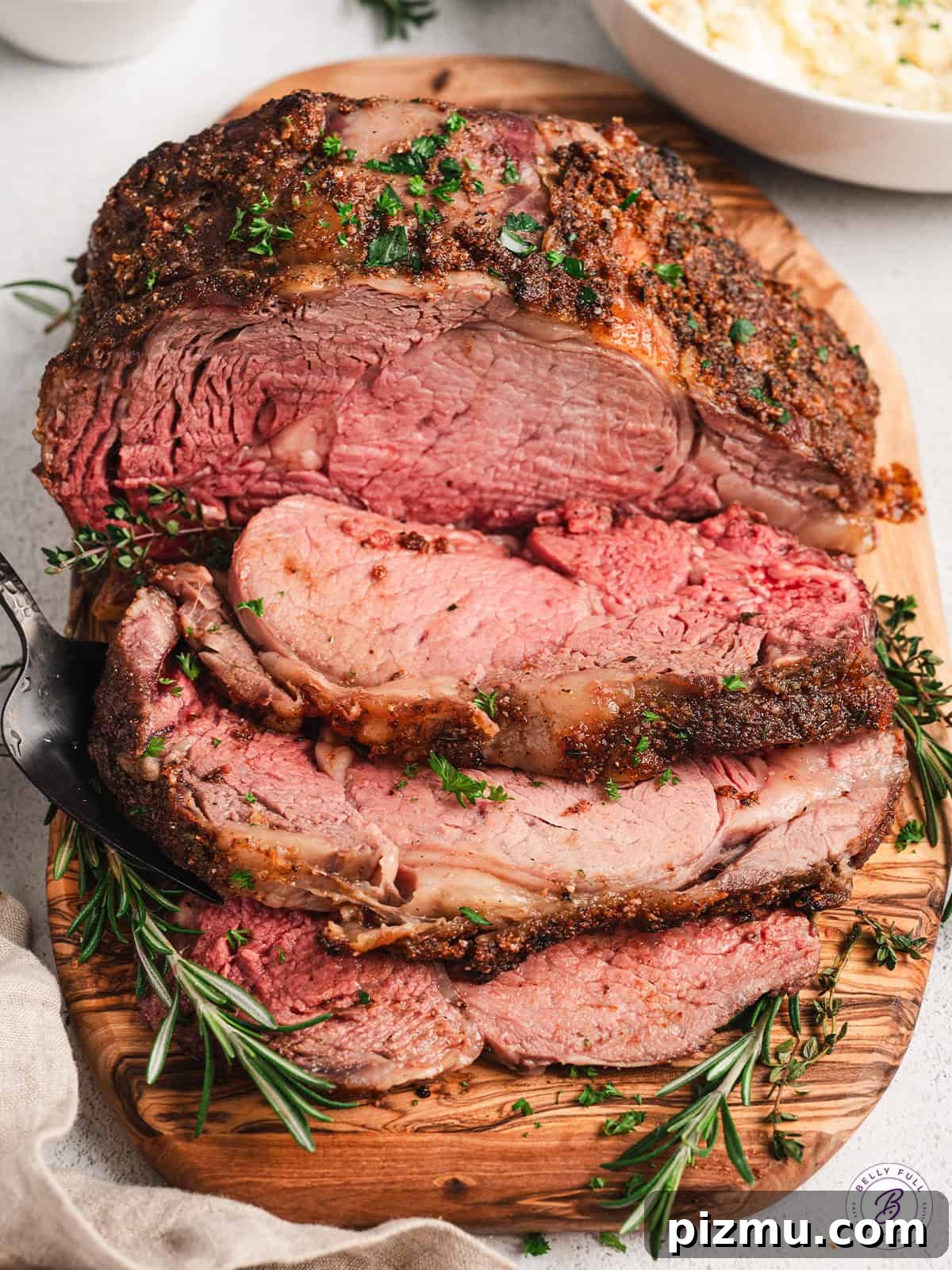
The reverse sear method is my preferred approach for a thick roast. Roast the meat at a low oven temperature until it reaches a target internal temperature for your desired doneness, then rest and finish with a high-heat sear. Cooking low first dries the surface slightly and helps produce a superior Maillard crust when you sear. The result is a deeply flavored exterior and a perfectly even interior.
Prime Rib vs. Rib-Eye Steak
A rib-eye steak is a single portion cut from the same primal section as a prime rib roast. Both share similar marbling and tenderness, but they’re typically cooked differently: a roast is roasted, while a rib-eye steak is often grilled or pan-seared. The roast, when served whole, makes a dramatic centerpiece for a meal.
Tips for Success
- Roast fat side up: Position the roast fat side up so the melting fat bastes the meat during cooking.
- Bring to room temperature: Let the roast sit at room temperature about 30 minutes before cooking for even heat distribution.
- Pat dry: Dry the roast with paper towels so the butter and rub adhere and browning is improved.
- Massage the rub: Press the seasoning into the meat with your hands to build a flavorful crust.
- Marinate if possible: Let the rubbed roast rest at least an hour, ideally overnight uncovered in the fridge, for deeper flavor and improved texture.
- Elevate the roast: Use a roasting rack so air can circulate around the roast for even cooking.
- Use a meat thermometer: A digital thermometer is the best way to achieve your preferred doneness reliably.
- Do not cover the roast while cooking: Air circulation helps develop the best crust.
- Save bones and drippings: Use bones for stock and drippings for au jus or gravy.
Serving Suggestions
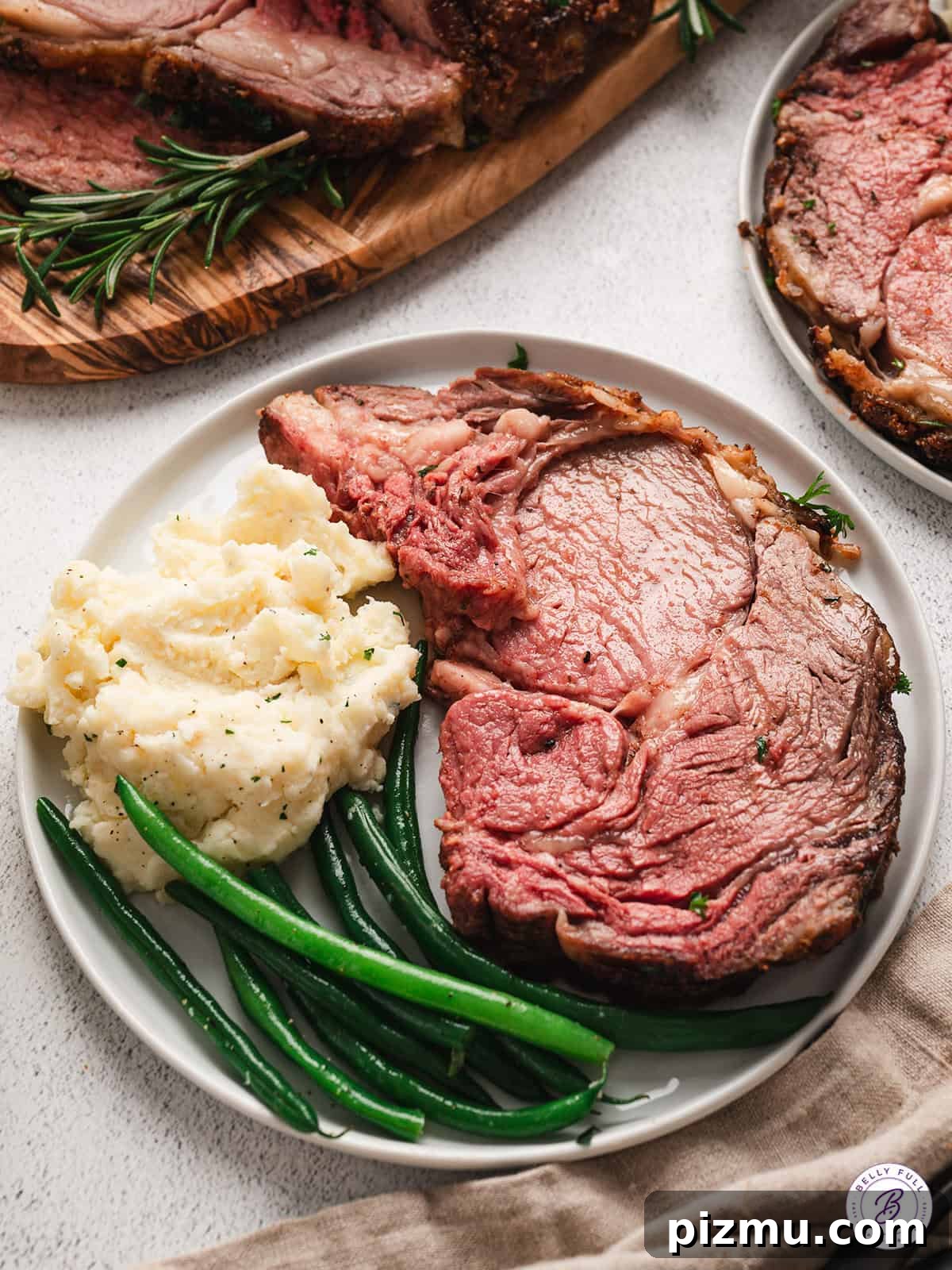
This roast deserves a place at your holiday table. It pairs beautifully with mashed potatoes, roasted green beans, creamed corn, gravy made from the pan drippings, and a side of horseradish sauce.
Proper Storage
- Fridge: Store leftovers in an airtight container or wrapped tightly in plastic. Leftover slices will keep 3–4 days in the refrigerator, though they may dry slightly.
- Freezer: Freeze in a freezer-safe container for up to three months. Thaw overnight in the fridge before reheating.
- Reheat carefully: Rewarm in a 325°F oven on a rack in a roasting pan with a little beef stock added and covered with foil to prevent drying. USDA guidelines recommend reheating to 160°F internal temperature, which will reduce pinkness.
Prime Rib (Bone in)
Prep: 15 mins • Cook: about 5 hrs 38 mins • Rest: 1 hr 20 mins • Total: about 7 hrs 13 mins • Servings: 5 (about 5.10 lb raw, includes 2 ribs)
Equipment
- Roasting pan with rack
- Meat thermometer (digital)
- Large cast-iron skillet for searing (optional)
Ingredients
- 1 prime rib roast (5 pound), ribs removed and reattached by butcher
- 3 tablespoons salted butter, softened to room temperature
- 2 tablespoons sea salt
- 2 teaspoons black pepper
- 2 tablespoons fresh rosemary, removed from stems and minced
- 1 tablespoon fresh thyme, removed from stems and minced
- 1 tablespoon garlic powder
- 1 teaspoon onion powder
- 1/2 tablespoon smoked paprika
- 3 tablespoons dark brown sugar
- 2 tablespoons cooking oil (high heat)
Instructions
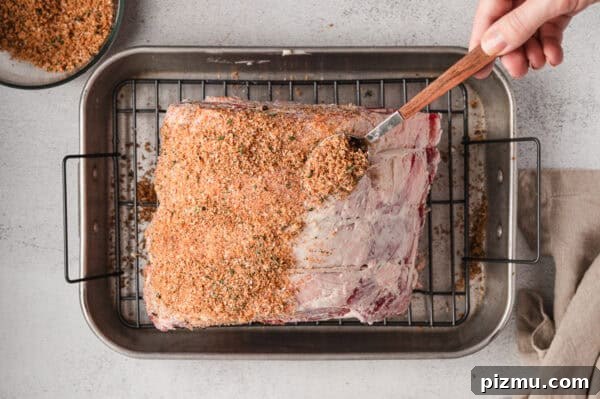
- Pat the roast dry with paper towels. Spread the softened salted butter evenly over the entire roast.
- In a bowl, whisk together the sea salt, black pepper, minced rosemary, minced thyme, garlic powder, onion powder, smoked paprika, and dark brown sugar to make the rub.

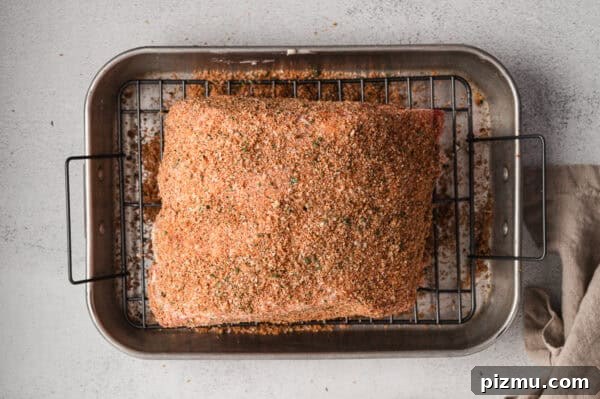
- Use a spoon to sprinkle the rub evenly over the roast, then press and rub it into the meat with your hands. Pile a little extra rub over the fat cap for a deeper crust.
- Let the rubbed roast sit uncovered in the refrigerator for at least 30 minutes and up to 24 hours for best flavor and surface drying.
- Bring the roast to room temperature for about 30 minutes (no longer than 1 hour). Preheat your oven to its lowest setting (many ovens go around 170°F). Place the roast on a rack in a roasting pan, fat side up.
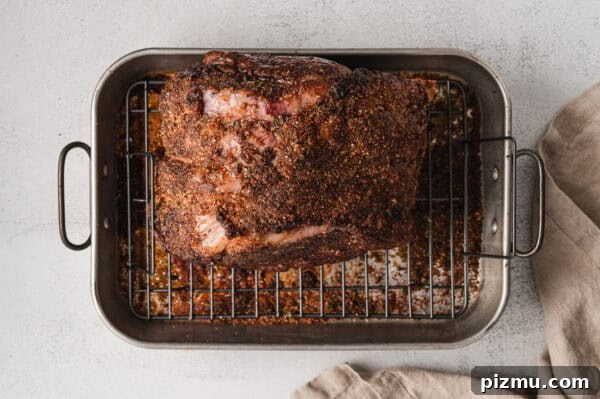
- Roast uncovered at low temperature for approximately 5½ to 6½ hours, depending on oven performance and desired doneness. Use a digital thermometer to monitor internal temperature.
- Remove the roast from the oven when the internal temperature reaches your target pull temperature (see guide below), then let it rest 20 minutes before searing:
- Rare: pull at 120°F (will reach ~125°F while resting)
- Medium rare: pull at 130°F (will reach ~135°F while resting)
- Medium: pull at 135°F (will reach ~140°F while resting)
- Well done: 145°F or higher
- For the reverse sear, heat 2 tablespoons of high-heat oil in a large cast-iron skillet over medium-high heat. When the oil moves freely and is shimmering, sear the roast on each side about 2 minutes per side to develop a crust. Do not sear more than a total of 6–8 minutes to preserve the interior temperature.
- After searing, carve and serve immediately. If you prefer, you can instead preheat the oven to 500°F while the roast rests and finish the roast in the hot oven for about 15 minutes right before serving.
Notes
Double the seasonings if you have a larger roast. The rub stores well in an airtight container.
Cover the fat well: adding extra rub to the fat cap helps the brown sugar and spices form a beautiful crust as the fat renders.
Marinate time: at least 1 hour is beneficial, and up to 24 hours in the fridge uncovered is ideal for deeper flavor and better texture.
Nutrition
Serving: 1 pound • Calories: 1503 kcal • Carbohydrates: 10 g • Protein: 62 g • Fat: 133 g • Saturated Fat: 55 g • Sodium: 3051 mg • Potassium: 1078 mg
Nutritional information is an estimate and can vary based on specific ingredients and portion sizes. If precise values matter, calculate based on the exact products you use.
More Beef Recipes to Try
- Mississippi Pot Roast
- Salisbury Steak
- Slow Cooker Beef Stew
- Honey Chipotle Meatloaf
- Vegetable Beef Soup
- Beef and Noodles