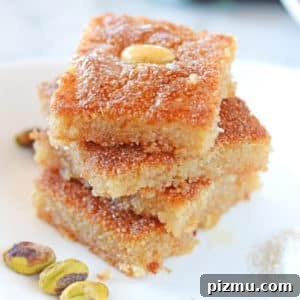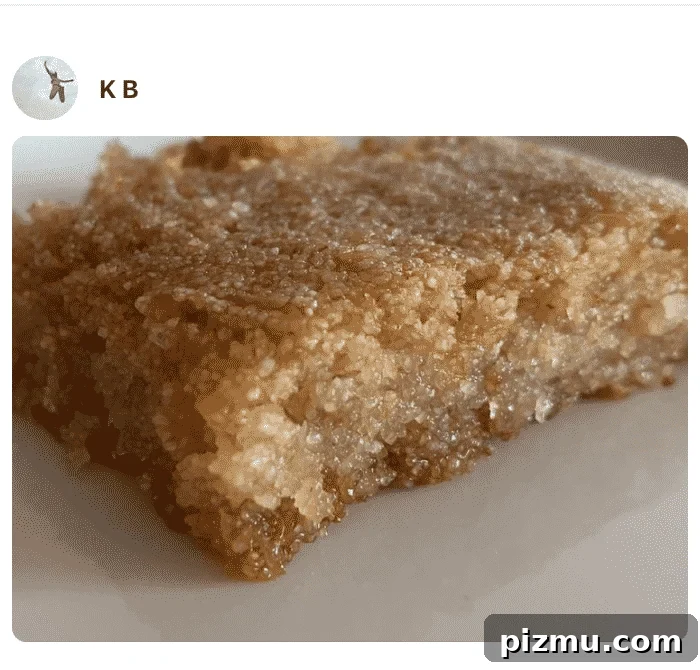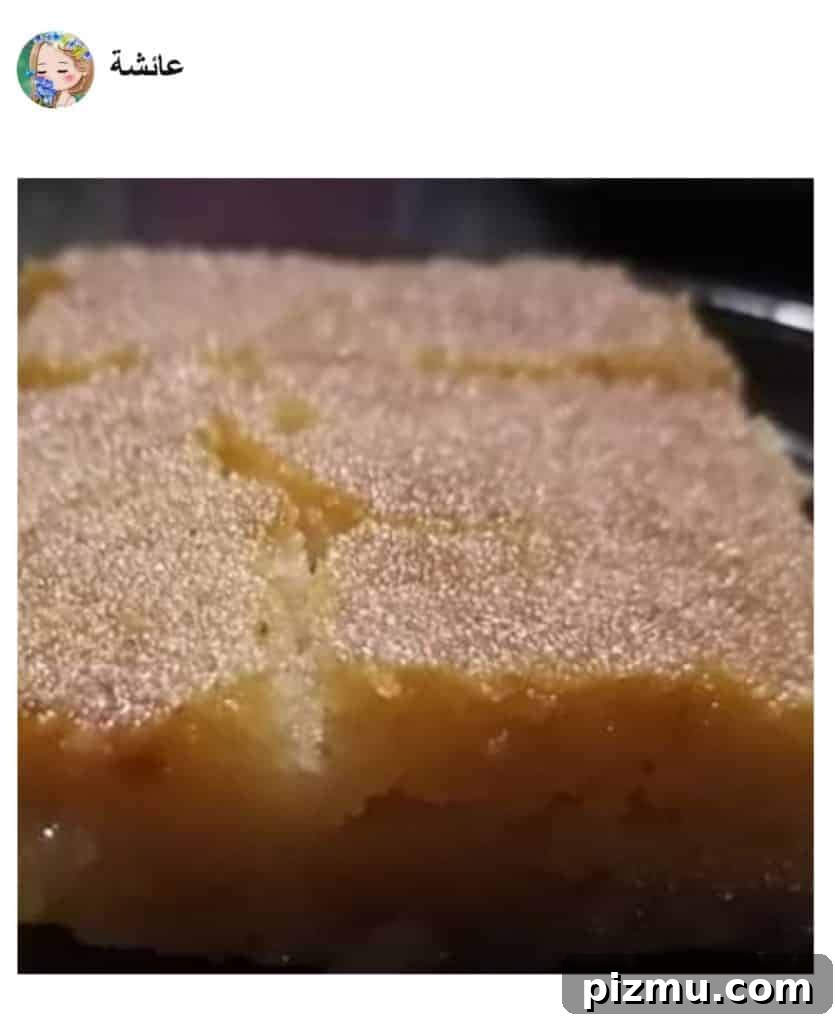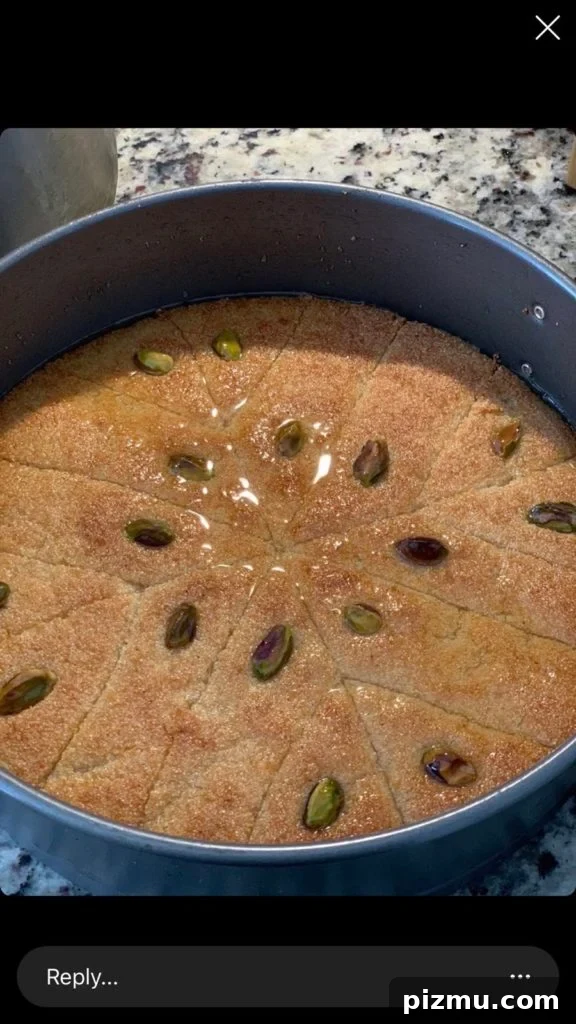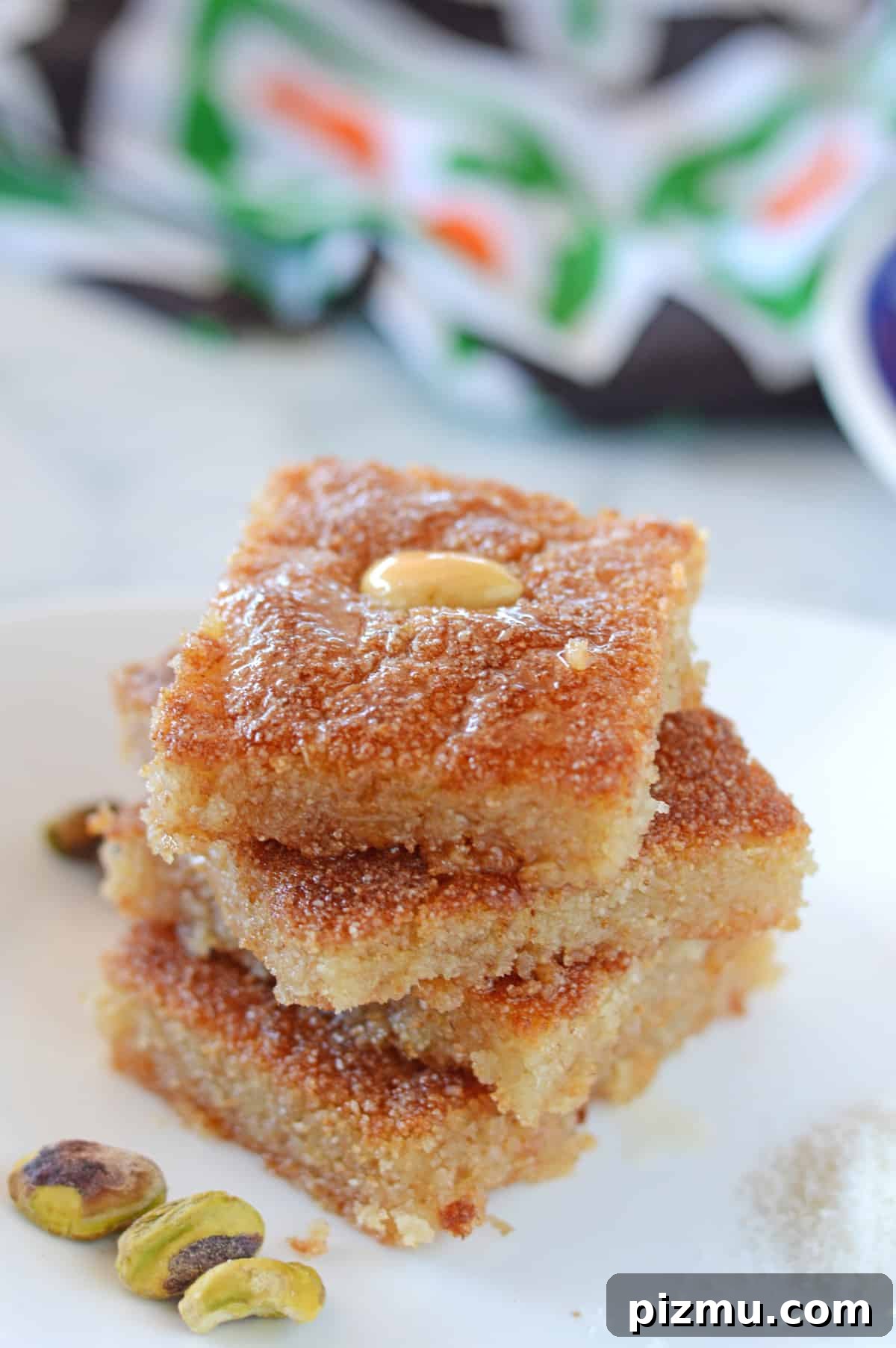
Basbousa is a classic Egyptian semolina (farina) cake made with yogurt and often finished with a fragrant sugar syrup. This one-bowl recipe is simple to prepare yet rewards careful technique: the goal is a moist, tender cake with a light coconut note and a balanced sweetness. Below you’ll find a refined basbousa method that stays soft and keeps well.
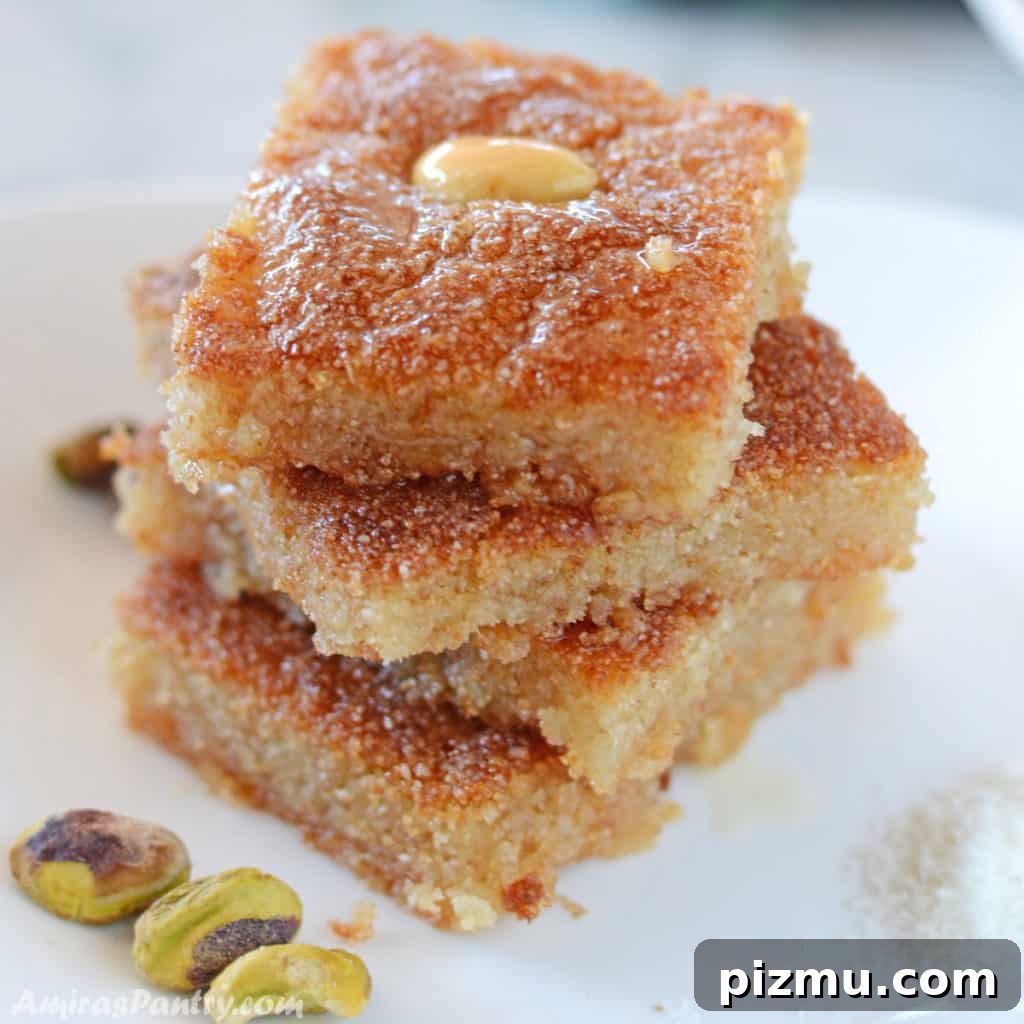
Basbousa
Basbousa (also spelled basboosa) is a popular Middle Eastern semolina cake that appears in many variations across the region. In Egypt it is commonly sold in bakeries and made at home with modest ingredients: semolina or farina, yogurt, butter or ghee, sugar, and a syrup to soak the cake after baking. The method below aims for a cake that is not heavy, not overly sweet, and maintains a moist, delicate crumb.
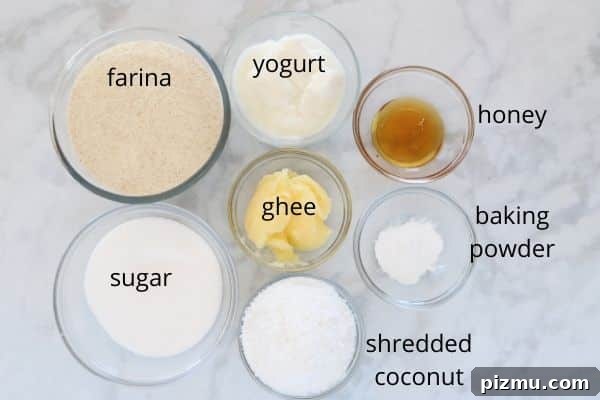
What you’ll need
Basbousa tips
A few practical tricks make a noticeable difference:
- Use ghee instead of plain butter for a deeper, more aromatic flavor. If you only have butter, you can clarify it to make a similar effect.
- Brush the baking pan with a thin layer of tahini mixed with a little ghee. This helps keep the bottom soft and encourages a pleasant golden color. Avoid excessive tahini, which can shift the flavor toward halva.
- Add a tablespoon of honey to the melted ghee before mixing it with the dry ingredients; this helps bind the batter and adds a subtle complexity.
- After pouring the hot syrup over the baked cake, cover it immediately and let it rest for 5–10 minutes. If you have time, allow it to soak until completely cool or even overnight in the refrigerator for the best texture and flavor infusion.
- Bake in a 12-inch round sheet for a thin basbousa (about 1 cm thick). For a thicker result, use a smaller pan (9–11 inches) or double the recipe.
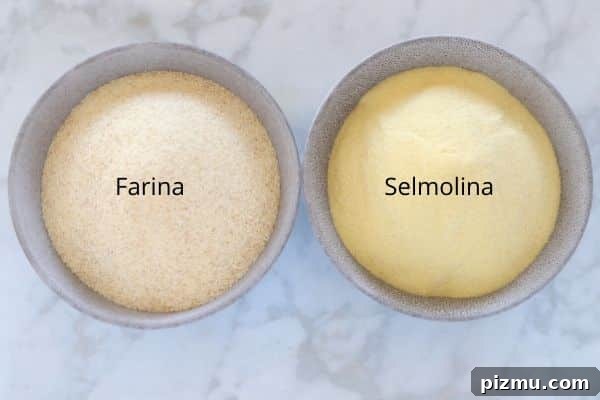
Difference between semolina and farina
In many countries you will find semolina and farina offered separately. Farina is typically finer and creates a softer, less grainy cake, which is often preferred for basbousa. Coarser semolina will produce a more textured, cakey result. Choose the grain size according to the texture you want: farina for tender and delicate, medium or coarse semolina for a more substantial bite.
How to make basbousa
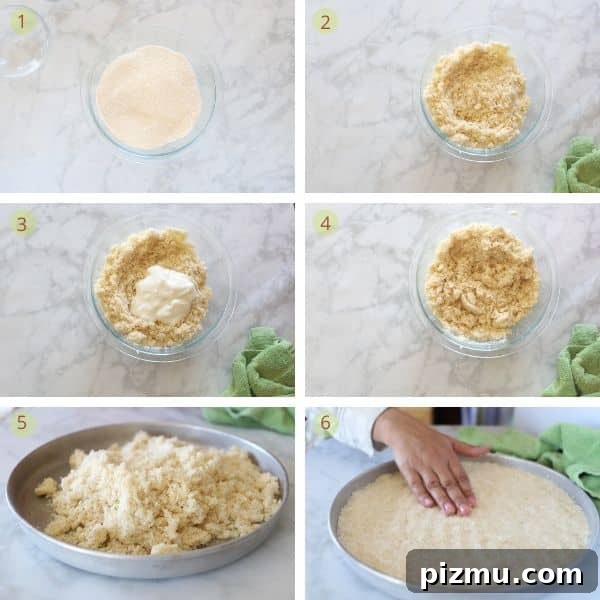
- Preheat the oven to 350°F (175°C).
- In a deep bowl, combine farina (or your chosen semolina), sugar, baking powder, and coconut flakes if using. Mix to distribute the dry ingredients evenly.
- Melt the ghee and stir in the tablespoon of honey until dissolved. Pour this warm ghee mixture over the dry ingredients and stir until the grains are evenly coated. The texture should be a well-wet, sandy mixture.
- Add the plain yogurt and mix just until incorporated. Avoid overmixing to preserve the desired crumb; if you prefer, use your hands to bring the dough together gently.
- Brush your round baking sheet with a thin layer of tahini combined with a small amount of ghee. Press the basbousa mixture evenly into the pan using your fingers or the back of a spoon.
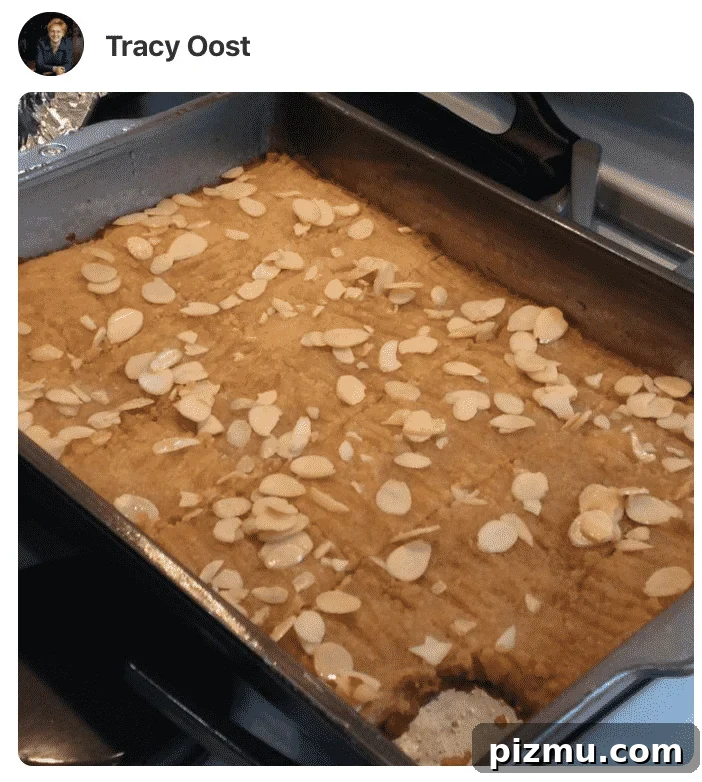
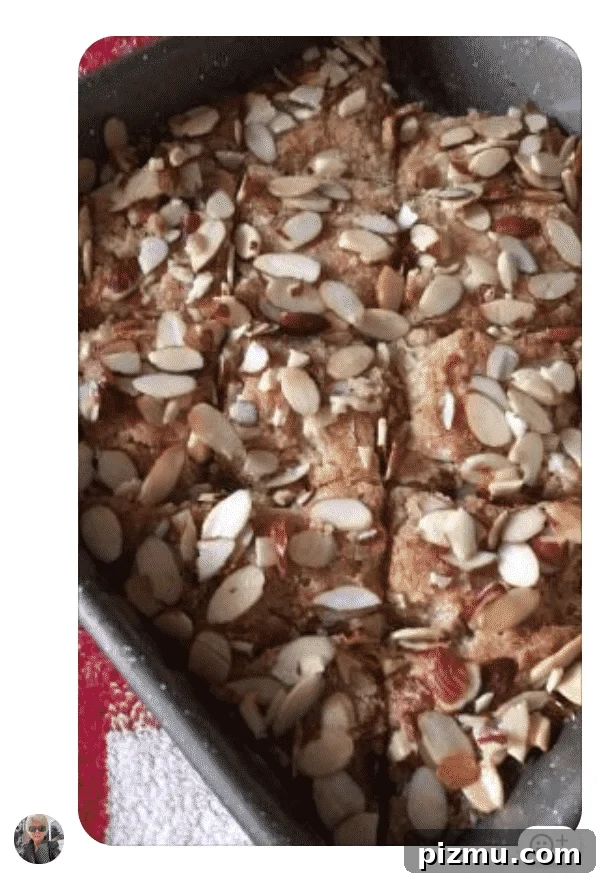
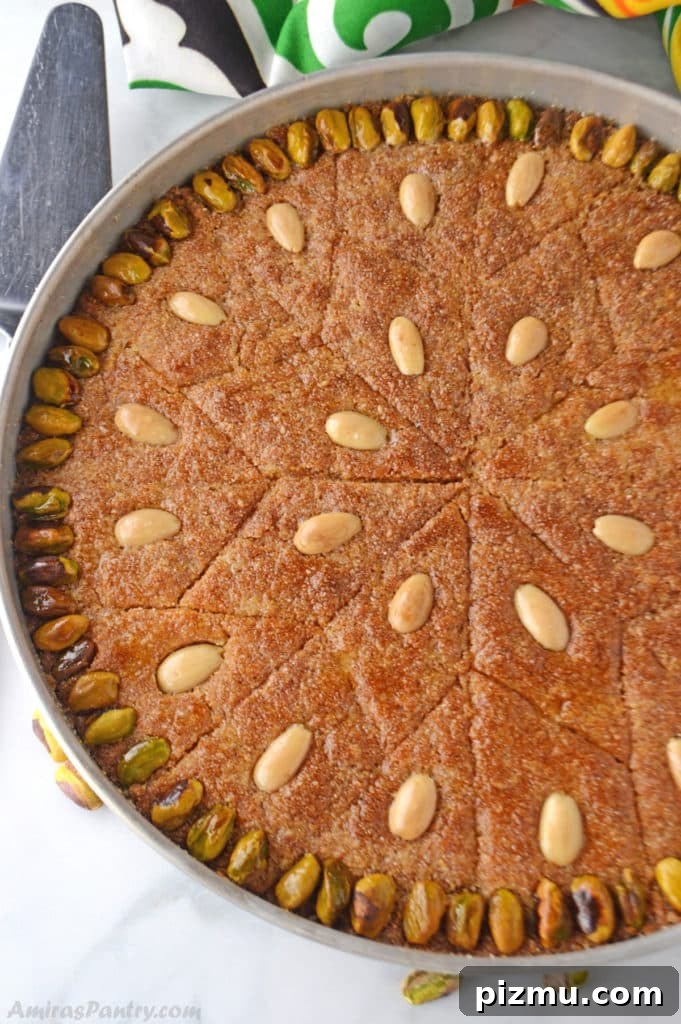
- Decorate the surface with whole or chopped nuts—common choices are pistachios and almonds—arranging them as desired.
How to cut basbousa like a pro
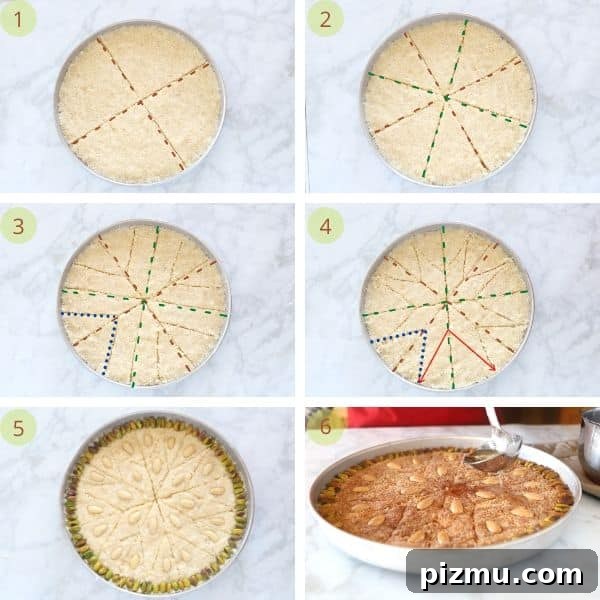
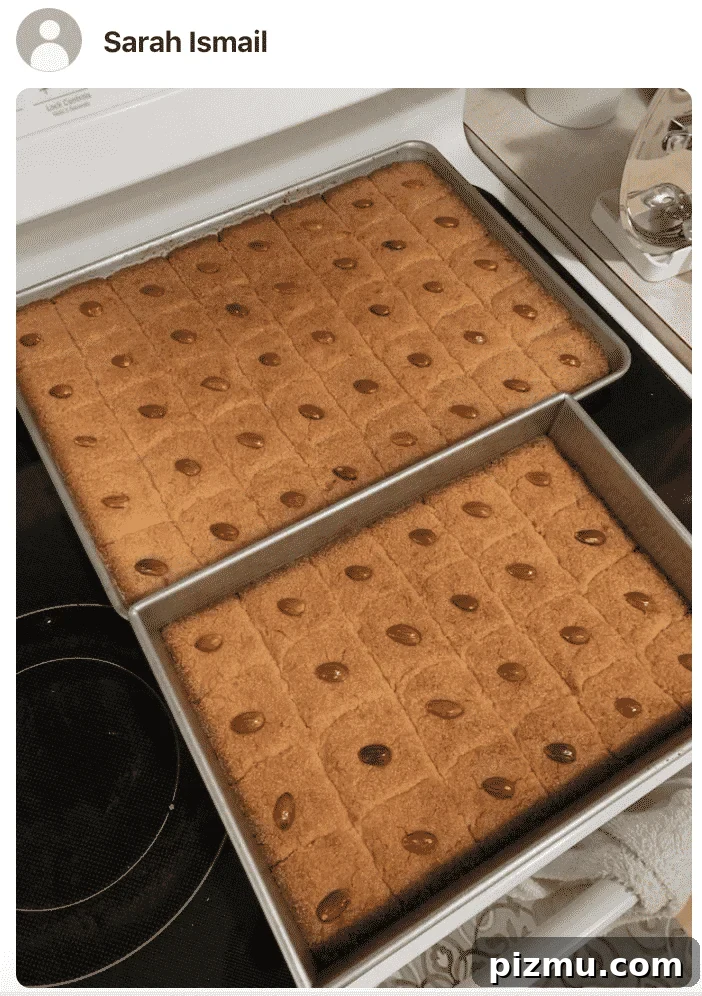
- Warm a sharp knife in melted ghee or butter to prevent sticking, then cut the cake while it is still warm. Start by cutting it into quarters.
- Continue cutting each quarter into the desired shapes: squares, diamonds, or smaller pieces. Re-dip the knife in ghee between cuts for clean edges.
- Finish by placing decorative nuts in the center of each piece, if you like.
How to bake basbousa
Bake the cake in the middle rack of a preheated 350°F oven until the edges begin to brown—this often takes around 10–15 minutes. Then move the pan to an upper rack and continue baking until the top develops a golden color, another 15–20 minutes. Total bake time is usually 25–35 minutes depending on pan size and oven. Avoid overbaking, which dries the cake and creates a hard crust.
Recipe
Basbousa
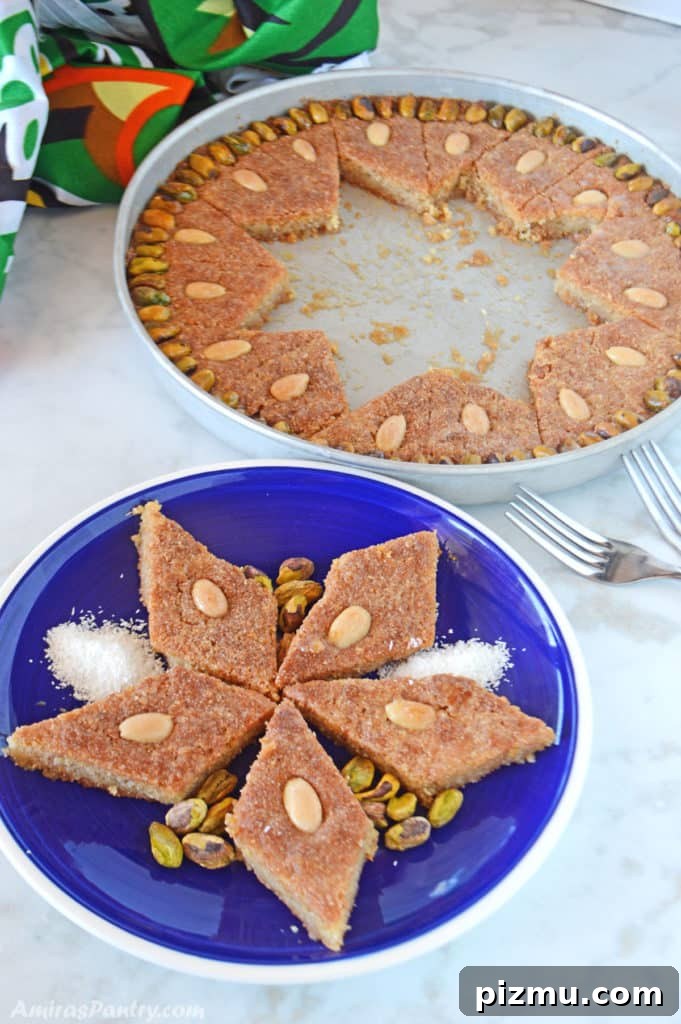
A coconut yogurt farina cake soaked in a simple syrup and finished with toasted nuts. Serves about 12.
Prep time: 10 minutes | Cook time: 30 minutes | Resting time: 10 minutes | Total: 50 minutes
Servings: 12 | Author: Amira
Ingredients
- 1 2/3 cups (306 g) farina (or fine semolina)
- 1/2 cup ghee, melted
- 1 tablespoon honey (added to ghee)
- 1/2 cup (116 g) sugar
- 1/2 cup (97 g) plain yogurt
- 1/2 tablespoon (6 g) baking powder
- 1/2 cup (45 g) unsweetened shredded coconut (optional)
- 1/2 tablespoon tahini, plus 1 tablespoon ghee to brush the pan
For the syrup
- 1 cup sugar
- 1 cup water
- 1 teaspoon lemon juice
- 2 tablespoons honey
- 1/2 teaspoon vanilla extract (optional)
- Nuts for garnish (pistachios, almonds, etc.)
Instructions
- Heat the oven to 350°F (175°C).
- Combine farina, sugar, baking powder, and coconut in a large bowl.
- Melt the ghee and stir in the honey. Pour over the dry mixture and mix until the grains are evenly coated.
- Add the yogurt and mix just until the batter comes together.
- Brush a 12-inch round baking sheet with tahini and a little ghee, then press the mixture evenly into the pan.
- Top with nuts and bake on the middle rack until the edges begin to brown (about 10–15 minutes), then move to an upper rack and bake until golden (another 15–20 minutes).
- While the cake bakes, make the syrup: combine sugar, water, lemon juice, and honey in a small saucepan. Bring to a boil, then reduce heat and simmer for 10 minutes. Turn off the heat and keep the syrup warm.
- When the basbousa is done, remove it from the oven and pour the warm syrup evenly over the hot cake. Cover immediately with foil and let rest for 5–10 minutes. For best results, allow it to cool completely or refrigerate to let the syrup fully absorb.
- Cut into pieces and serve.
Notes
Using coconut is optional but recommended for improved texture; a small amount (15–20 g) will be subtle and helpful. Nuts and syrup flavorings (vanilla, rose water, orange blossom water, or a cinnamon stick) are optional; vanilla is a common and pleasant choice. If you prefer a thicker basbousa, bake in a smaller pan or double the recipe.
Nutrition (per serving, approximate)
Calories: 330 kcal | Carbohydrates: 49.7 g | Protein: 3.5 g | Fat: 13.7 g | Saturated fat: 8.5 g | Sugar: 30.5 g