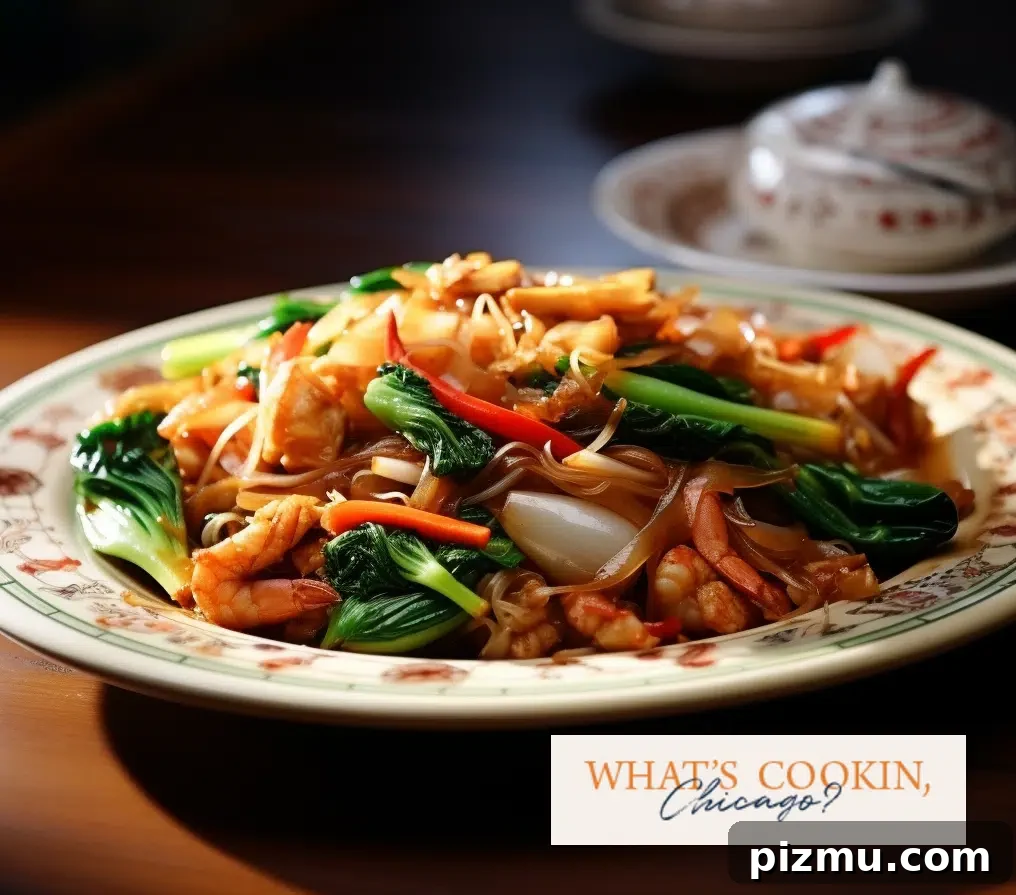
Every bite of Pad Woon Sen takes me back to a lively night market in Chiang Mai where I first discovered this elegant stir-fry. The fragrant garlic, bright lime, tender proteins, and slippery glass noodles created a harmony of flavors and textures I still crave. Pad Woon Sen is more than a simple noodle dish — it’s a memory and a celebration of Thai home cooking. If you want to recreate that authentic experience at home, follow this clear, practical guide.
Table of Contents
What is Pad Woon Sen?
Pad Woon Sen is a classic Thai stir-fry built around glass (mung bean) noodles. Light but satisfying, it combines translucent noodles with a mix of proteins and vegetables, all tossed in a savory-sweet sauce. The result is a dish with contrast: tender noodles, crisp vegetables, and bold seasonal flavors that make it a popular choice at markets and home kitchens across Thailand.
Ingredients Breakdown
Meat Choices
Common proteins for Pad Woon Sen include chicken, pork, shrimp, or thinly sliced beef. Shrimp and chicken are especially popular because they cook quickly and absorb the sauce well. A short marinade of soy sauce, garlic, and a pinch of sugar enhances flavor without overpowering the dish.
Vegetable Varieties
Vegetables add color, crunch, and freshness. Bell peppers, shredded cabbage, carrot strips, bean sprouts, and baby corn all work well. Use a mix of textures so the vegetables stay slightly crisp when combined with the noodles.
Essential Sauces and Seasonings
Pad Woon Sen relies on fish sauce, oyster sauce, and dark soy sauce for its savory backbone. Fresh garlic, white pepper, a touch of sugar, and lime juice balance those savory notes with brightness. Adjust each ingredient to match your taste, aiming for a balanced sweet-savory-salty profile.
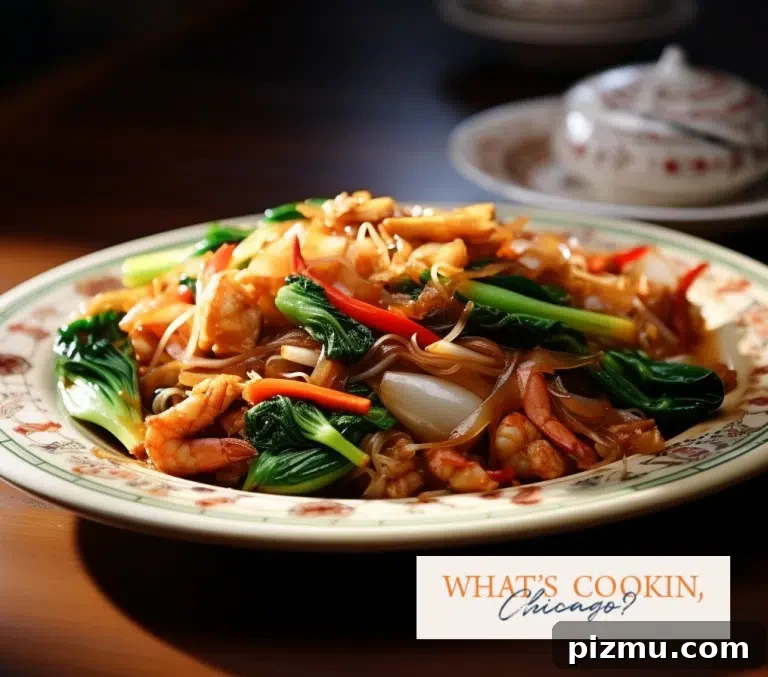
Perfect Pad Woon Sen (in under 30 minutes)
- Total Time: 25 minutes
Ingredients
Main Ingredients:
- Clear glass noodles: 150g (5.3 oz)
- Medium prawns, deveined and shelled: 200g (7 oz)
- Chicken breast, thinly sliced: 100g (3.5 oz)
- Eggs, beaten: 2
- Fresh garlic, minced: 3 cloves
- Mixed vegetables (bell peppers, carrots, baby corn), thinly sliced: 1 cup (240 mL)
For the Sauce:
- Fish sauce: 2 tablespoons (30 mL)
- Dark soy sauce: 1 tablespoon (15 mL)
- Oyster sauce: 1 tablespoon (15 mL)
- White sugar: 1 teaspoon (5 mL)
- Fresh lime juice: 1 tablespoon (15 mL)
Garnish (optional):
- Fresh coriander, chopped
- Lime wedges
- Crushed peanuts
Cook Mode: Use a high heat and have all ingredients prepped before you begin to keep the stir-fry quick and vibrant.
Instructions
Cooking Instructions
-
Prep:
- Soak the glass noodles in lukewarm water for about 10 minutes until softened but not mushy. Drain and set aside.
- Whisk together fish sauce, dark soy, oyster sauce, sugar, and lime juice until the sugar dissolves.
- Prepare prawns, chicken, and vegetables so everything is ready to add to the wok quickly.
-
Cook the proteins:
- Heat a wok or large skillet over medium-high heat with a tablespoon of oil.
- Sauté minced garlic until fragrant but not burnt.
- Add the sliced chicken and stir-fry until nearly cooked through.
- Add the prawns and cook until both proteins are almost done, then push them to the side of the pan.
-
Eggs and noodles:
- Pour the beaten eggs into the cleared side of the wok, scramble briefly, then mix with the proteins.
- Add the soaked noodles and pour the sauce over them.
- Toss everything together so the noodles absorb the sauce and combine evenly with the proteins and eggs.
-
Vegetables and finish:
- Add the mixed vegetables and stir-fry for 2–3 minutes until they are crisp-tender.
- Taste and adjust seasoning with a little more fish sauce, lime, or sugar if needed.
- Remove from heat once everything is well combined and heated through.
-
Serve:
- Transfer to a serving plate and garnish with chopped coriander, lime wedges, and crushed peanuts if desired.
- Serve immediately while hot.
- Author: WCC
- Prep Time: 15 minutes
- Cook Time: 10 minutes
Cooking Techniques to Help You Make the Perfect Pad Woon Sen
Prepping the Noodles
Glass noodles are delicate: soak them until pliable, not falling apart. Drain well and keep them slightly underdone before tossing in the wok since they will finish cooking with the sauce and heat.
Stir-Fry Sequence
Start with garlic to flavor the oil, then sear proteins, add vegetables, scramble the eggs, and finish with noodles and sauce. Following this sequence keeps textures distinct and flavors balanced.
Achieving the Perfect Texture
High heat and quick cooking preserve the snap in vegetables and the slight chewiness of the noodles. Avoid overcrowding the pan and toss constantly for even heat distribution.
Picking the Perfect Cookware
A wok is ideal because it concentrates heat and helps with tossing, but a large non-stick skillet works well for home kitchens that lack a wok.
Flavor Harmony: Achieving the Balance
Taste as you go. Adjust saltiness, acidity, or sweetness with fish sauce, lime, or a pinch of sugar to suit your palate. The best Pad Woon Sen finds the right balance for your taste buds.
Pad Woon Sen Variations
Vegetarian/Vegan Adaptations
Swap meat for firm tofu or tempeh and replace oyster sauce with mushroom or vegetarian stir-fry sauce. Load up on seasonal vegetables to keep the dish hearty and satisfying.
Seafood Explosion
For a seafood-forward version, add squid, mussels, or scallops. Keep an eye on timing—seafood often cooks faster than chicken or pork.
Meatless Marvels
Mushrooms, baby corn, snap peas, and roasted tofu make excellent meat-free options that add depth and texture without animal protein.
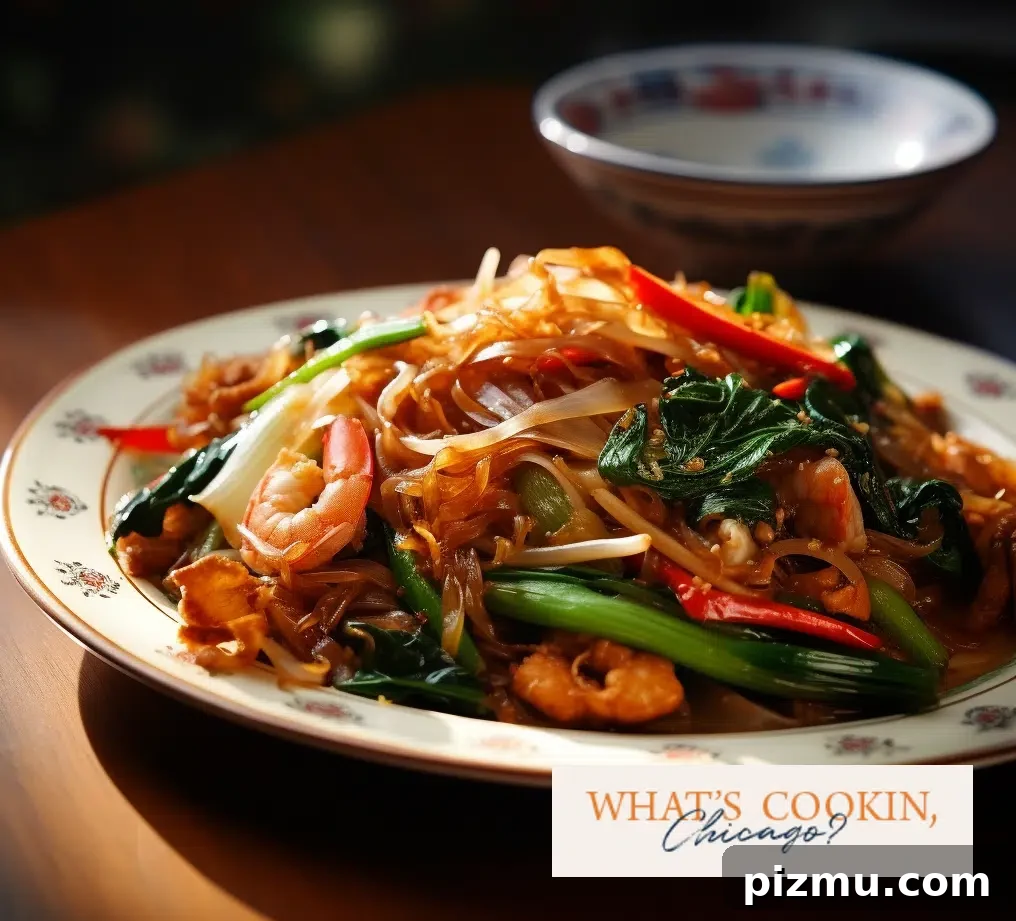
Presentation and Serving
Pairing with Sides
Pad Woon Sen pairs well with crunchy salads or Thai spring rolls to add contrast. Light sides keep the meal balanced and refreshing.
Garnishing like a Pro
Finish with fresh cilantro, sliced green onions, extra lime wedges, and crushed peanuts. These simple touches brighten the dish and add texture.
Recommended Beverages
Thai iced tea, lemongrass tea, or a light chilled beer complement the dish and refresh the palate between bites.
Nutrition of Pad Woon Sen
Nutritional Values
With lean protein and plenty of vegetables, Pad Woon Sen provides a balanced mix of carbohydrates, protein, and micronutrients. Portion control and the choice of ingredients determine the overall calorie and macronutrient profile.
Advantages of Clear Noodles
Glass noodles, often made from mung bean starch, are typically gluten-free and low in fat. They’re a light carbohydrate option, especially when combined with plenty of vegetables.
Wholesome Ingredients
Fresh herbs and vegetables supply vitamins and antioxidants, while a moderate amount of protein keeps the meal satisfying and nourishing.
Preservation and Reheating
Storing Leftovers
Cool to room temperature and store in an airtight container in the refrigerator for up to 48 hours. Freezing is not recommended because glass noodles can become mushy on thawing.
Rejuvenating the Flavors
Reheat gently in a pan with a splash of water or broth to restore moisture. Avoid prolonged reheating which can break down the noodle texture.
Making in Advance
You can marinate proteins and chop vegetables a day ahead to speed up cooking on the day you serve. Assemble and cook quickly so the dish stays fresh and bright.
Frequently Asked Questions About Pad Woon Sen
Why are my noodles too soft or mushy? Over-soaking or overcooking is usually the cause. Soak just until pliable and finish cooking in the hot wok briefly.
Can I use regular soy sauce instead of dark soy sauce? Yes. Dark soy adds color and a slight sweetness; if you use regular soy, reduce the amount slightly to avoid excess saltiness.
How can I make the dish spicier? Add sliced Thai bird chilies, fresh chilies, or chili flakes while stir-frying or as a condiment at the table.
Is there a substitute for fish sauce? Light soy sauce or tamari can be used, though fish sauce provides a distinctive umami depth that’s hard to replicate exactly.
How do I keep vegetables crunchy? Stir-fry quickly over high heat and add vegetables toward the end so they cook through but remain crisp.
Can I use other types of noodles? You can substitute different noodles, but cooking times and texture will vary. Rice vermicelli or thin wheat noodles are common alternatives.
Conclusion
Pad Woon Sen is an accessible, flavorful example of Thai stir-fry that shines when simple ingredients are treated with care. With the right balance of sauce, fresh vegetables, and properly prepared glass noodles, you can create a restaurant-quality plate at home. Let the aromas and textures guide you, and enjoy the vibrant flavors of Thailand with every bite.