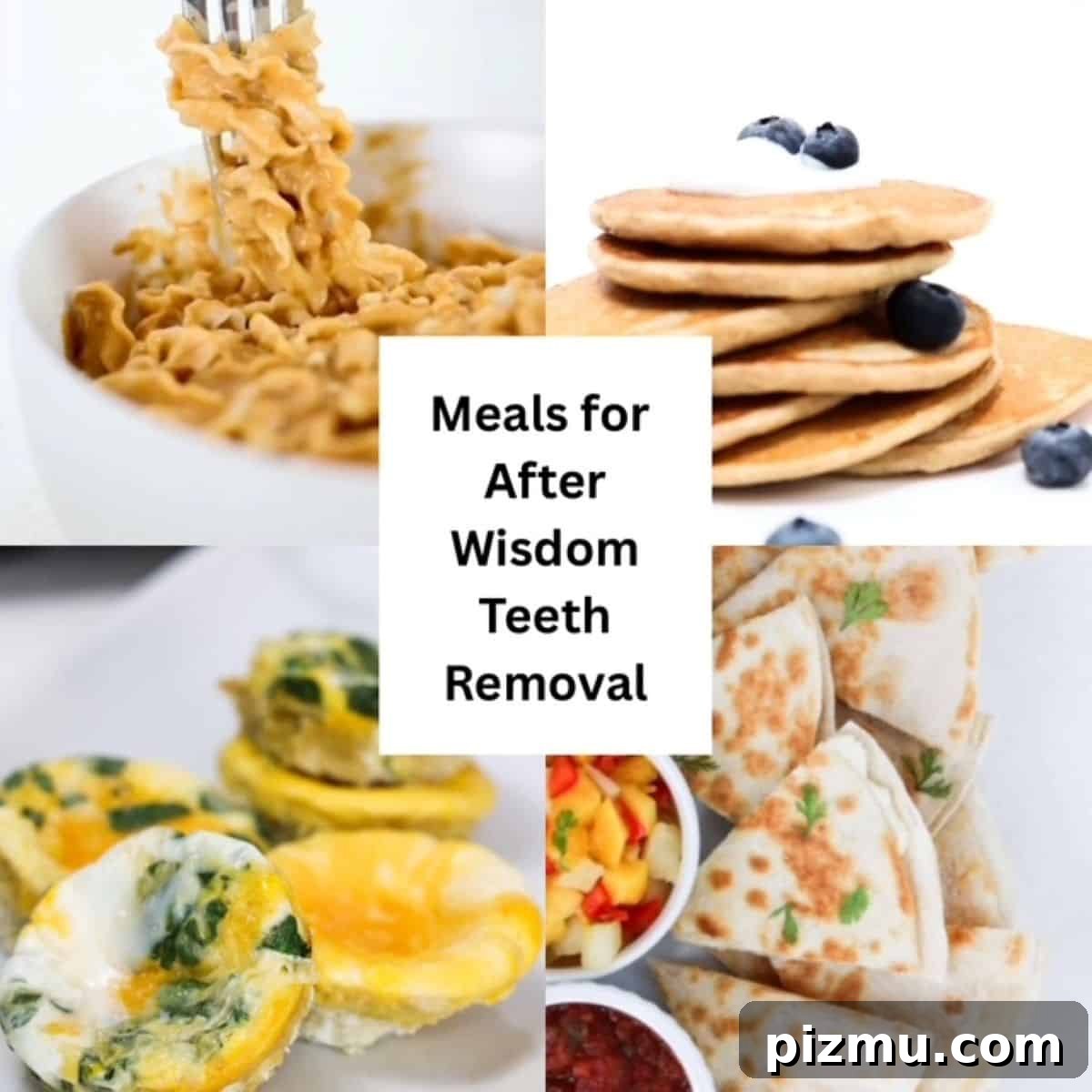
Figuring out what to feed your teen after wisdom teeth removal can feel overwhelming. After you read the list of foods they can’t have, it helps a lot to have realistic, tasty meal ideas they can actually manage while their mouth heals.
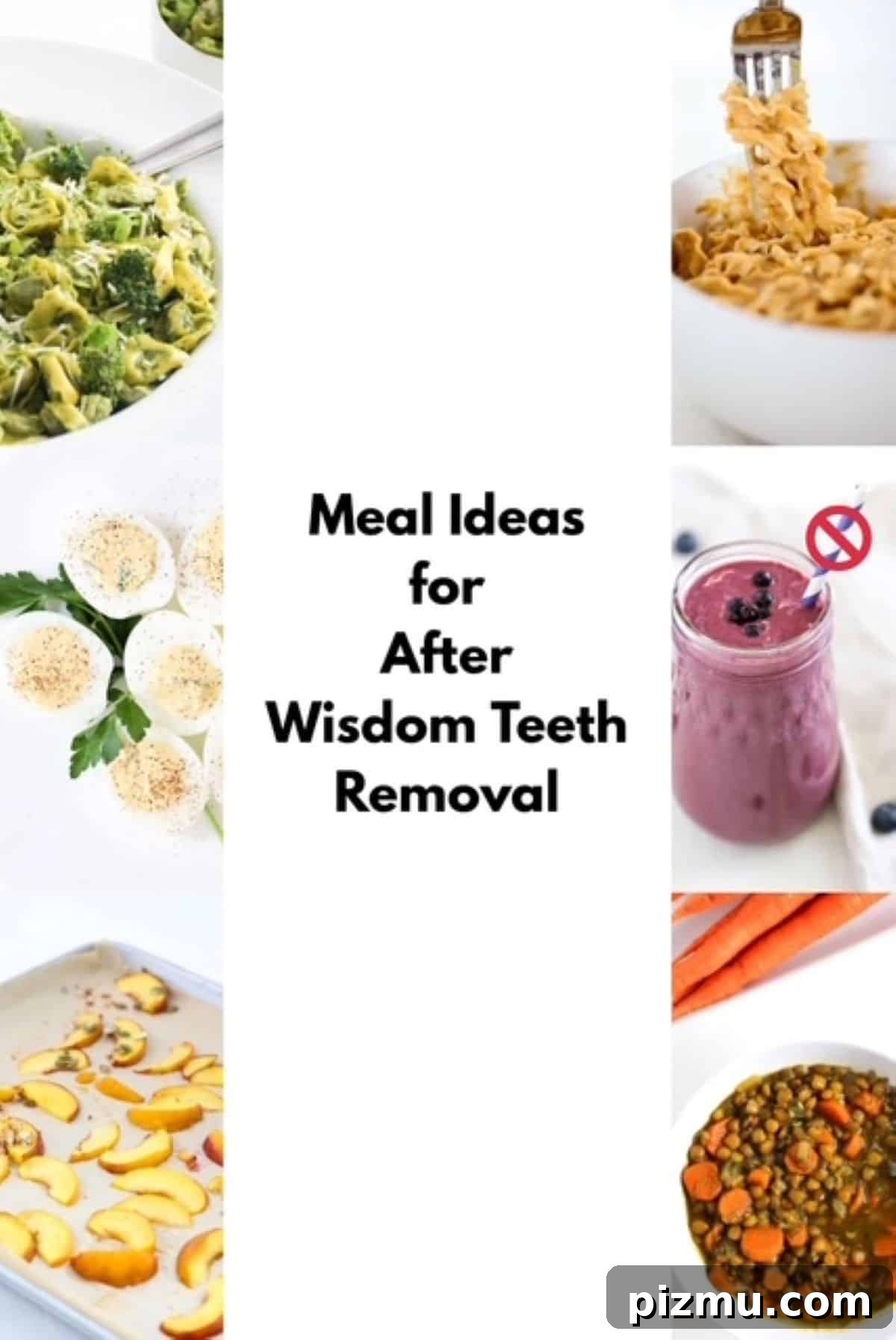
Good news: removing wisdom teeth doesn’t mean surviving on liquids forever. You will need to make some simple adjustments so meals are soft, nutrient-dense, and comfortable to eat—especially if you want a faster, less stressful recovery.
Some teens recover quickly with minimal swelling, but it’s common for swelling and tenderness to last a week to ten days, making chewing difficult. Typical guidance from oral surgeons often includes eating mostly cold foods and drinks the first day to help a blood clot form, avoiding straws, steering clear of spicy and highly acidic foods for about a week, and skipping foods with nuts, seeds, or popcorn if a lower tooth was removed.
That sounds simple in theory, but it becomes real the moment your child comes home hungry and swollen, unable to open their mouth comfortably. The good news is you can adapt family-favorite recipes so they’re soft enough for someone recovering from extractions—allowing everyone to eat the same meals with only small tweaks.
🍓 Smoothies and Smoothie Bowls
First and most important: no straws until your oral surgeon clears their use. If a smoothie is tricky to sip, serve it with a spoon. Omit any crunchy toppings like granola or chia seeds from bowls. Smoothies are an excellent way to pack fruits, vegetables, protein, and calories into a texture that’s gentle on sore gums.
-
Ideas for boosting protein in smoothies without powder
-
Peanut butter and banana smoothie (soft oats optional)
-
Simple fruit smoothies without yogurt
-
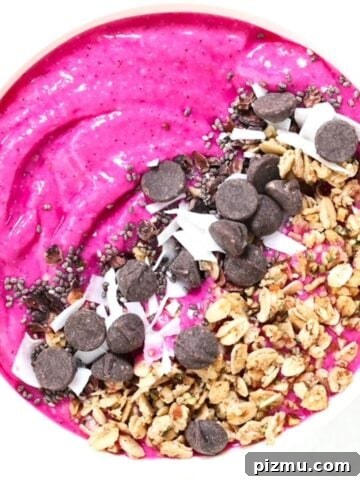
Pitaya (dragon fruit) bowl made smooth and seed-free


🥞 Soft Breakfast Foods
- Eggs — Scrambled, baked, or a simple soft omelet. If adding vegetables, make sure they are pre-cooked until tender.
- Cottage cheese — Served with very soft fruit, cottage cheese is mild and easy to eat.
- Greek yogurt — Plain or with soft fruit; skip the granola or any crunchy toppings.
- Oatmeal — Instant or stovetop oatmeal served warm and well softened. For baked oatmeal, stir in a little extra milk to loosen the texture.
- Pancakes — Soft pancakes such as whole wheat blueberry or banana mini pancakes are gentle on healing mouths; denser protein pancakes may be better later in recovery.
🍜 Soft Foods for Lunch & Dinner
Swelling can make sandwiches and salads difficult, so reheated family dinners or intentionally softened dishes often work best.
- Mac and cheese — A classic, easy-to-eat option. Use a smooth cheese sauce and cook the pasta slightly longer for extra softness.
- Mashed potatoes — Regular or sweet mashed potatoes, whipped until silky, are filling and gentle.
- Cheese quesadillas — Small pieces of soft flour-tortilla quesadillas with melted cheese are easy to chew. Serve with mashed avocado instead of acidic salsa.
- Pasta dishes — Cook pasta and vegetables a bit longer than usual for tenderness. Smooth sauces like butternut squash or peanut butter–based sauces add flavor and nutrients without harsh textures.
- Salmon — When cooked properly, salmon flakes easily and is softer than many lean meats. Poached, roasted, or gently pan-cooked salmon are all good choices.
- Soup — Creamy, blended soups are ideal at first. As healing progresses, thicker lentil or shredded-chicken soups provide more protein.
- Eggs — Hard-boiled eggs, egg salad (no crunchy additions), or deviled eggs are convenient protein options.
🥐 Muffins & Soft Bread
- Muffins — Softer varieties like zucchini-banana or banana-carrot muffins are easier to manage. Avoid nuts or any mix-ins that add crunch.
- Quick breads — Zucchini, banana, and pumpkin breads are fine if they’re soft and nut-free.
- Other soft breads — Soft pita or sandwich bread can be eaten as tolerated, but two-slice sandwiches may still be uncomfortable early in recovery.
🧁 Dessert
- Pudding — Chocolate, vanilla, or rice pudding are soothing options. Avoid puddings that include chia or other small seeds in the first week.
- Ice cream — Smooth ice cream is a comforting treat; choose flavors without chunks or hard mix-ins.
- Soft cookies — Cake-like, soft cookies are easier to chew than crunchy varieties.
- Soft brownies — Underbaked, fudgy brownies without crisp edges are gentler to eat.
- Cupcakes with frosting — A soft cupcake with smooth frosting is usually well tolerated and feels like a special treat.
Helpful Tips
- Always follow the specific instructions given by your oral surgeon or medical team. These guidelines are meant to supplement, not replace, professional advice.
- Cook pasta and vegetables a little longer than usual for the first few days so they are softer and easier to chew.
- Boiled or well-steamed vegetables (fresh or frozen) are usually the most comfortable to eat.
- Avoid crunchy and chewy foods until healing is further along. For example, a yogurt parfait is fine—just leave out granola or seeds.
- Include a variety of foods at each meal, aiming for sources of protein and fiber to support healing.
Questions You May Have
Smoothies and smoothie bowls are the easiest way to combine fruits, vegetables, and a protein source such as yogurt, milk, smooth nut butter, or soft dairy alternatives during the first day or two. As swelling decreases, introduce soft whole foods—eggs, mashed beans or lentils, soft fish, and tender cooked vegetables—to increase nutrient variety. And again: no straws until cleared by your surgeon.
Protein, vitamin C, and zinc support tissue repair. Foods rich in omega-3s can also help reduce inflammation. Choose less acidic sources of vitamin C such as seedless melon or cooked vegetables, and include protein-rich options like eggs, lean meats, fish, legumes, and whole grains to support recovery.
Avoid crunchy peanut butter. Smooth peanut butter or other smooth nut and seed butters can be OK if your surgeon approves and you can tolerate them—they provide protein and healthy fats in a texture that’s easy to swallow.