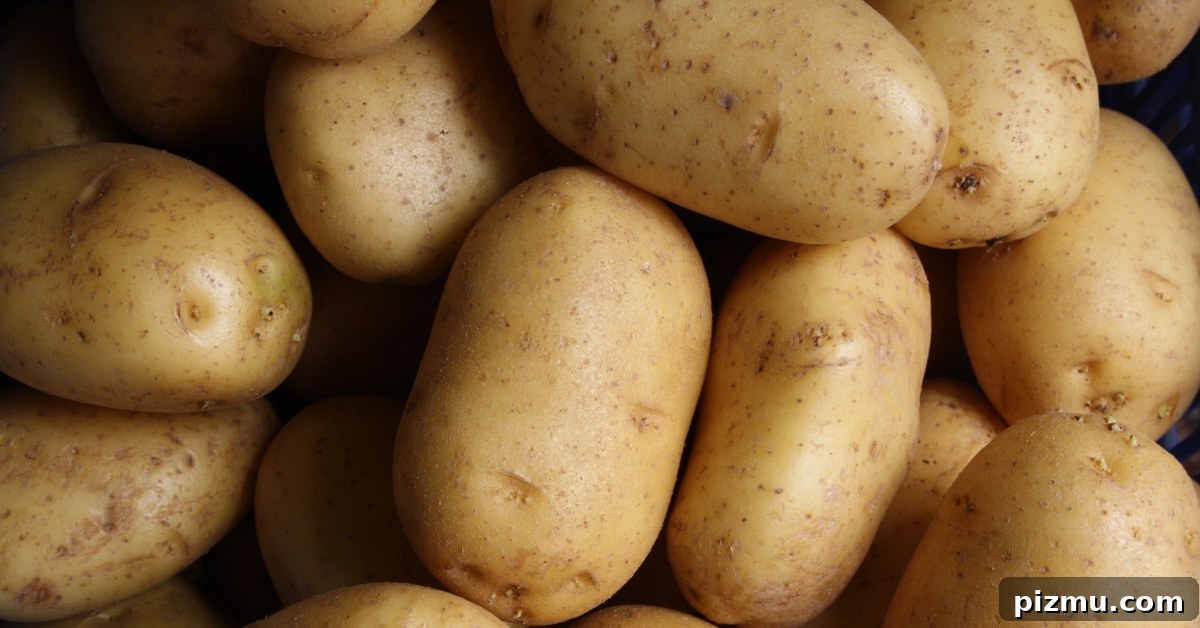
Sometimes it’s the small, repetitive chores that take more of your time than they should — simple tasks that add up, like scrubbing a pile of potatoes before dinner. It’s oddly tedious to stand at the sink rubbing each one while your fingers go pruny, and it can make the rest of dinner prep feel like a slog.
Fortunately, there’s a simple trick that can save you time and effort: wash your potatoes in the dishwasher. It sounds unusual, but when done correctly it’s an efficient way to remove dirt and debris without scrubbing each potato by hand.
You can keep on cooking, clean another part of the kitchen, or enjoy an episode of your favorite show while the dishwasher takes care of the task. The method is straightforward and requires nothing more than an empty machine and a rinse cycle.

Here’s how it works and what to watch out for so you get clean potatoes without any unwanted residues or damage.
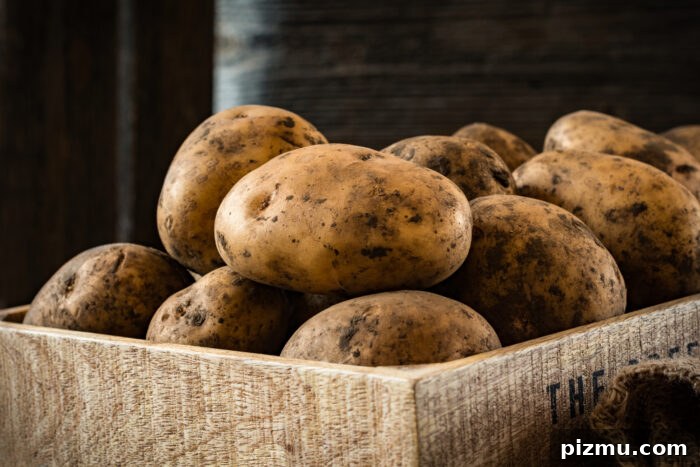
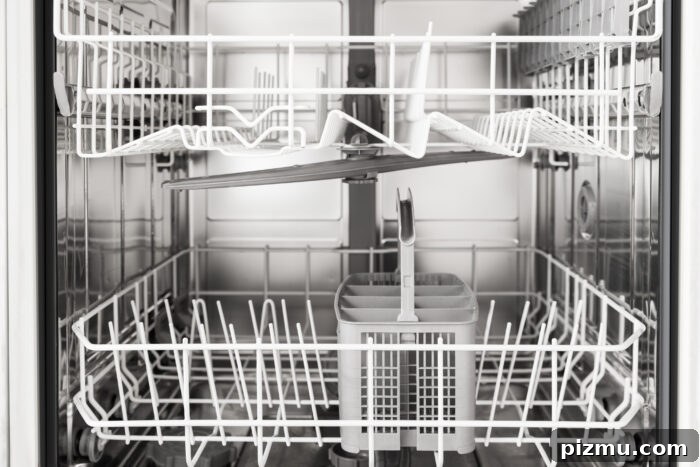
Step 1: Empty the dishwasher. Remove all dishes, utensils, and racks if needed so the potatoes have space and won’t trap water or block spray arms.
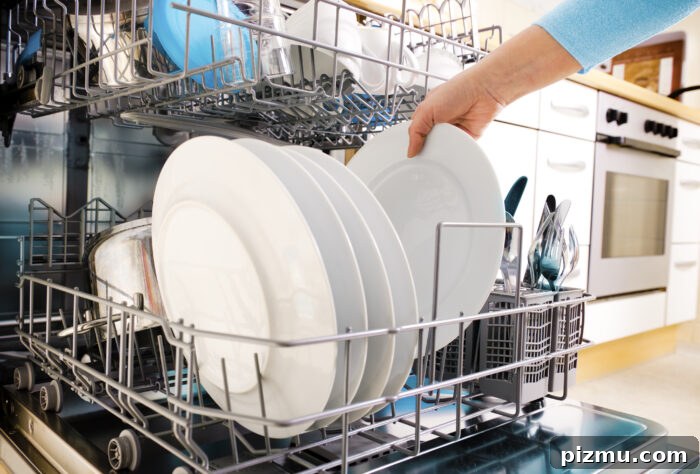
Step 2: Arrange the potatoes on the top rack. Spread them out so water can circulate around each one. Leave the bottom rack empty so nothing interferes with the spray from below.
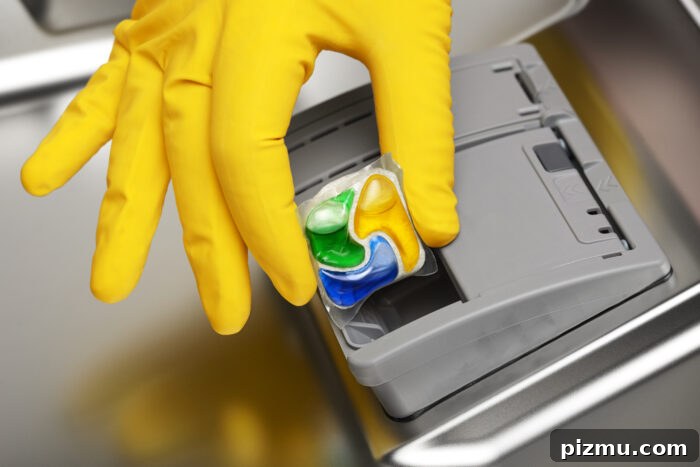
Important: Do not add dishwasher detergent or any soap. Use a rinse-only setting so the machine sprays and rinses the potatoes with water only. Detergents are not food-safe and can leave residues that are unpleasant or harmful if ingested.
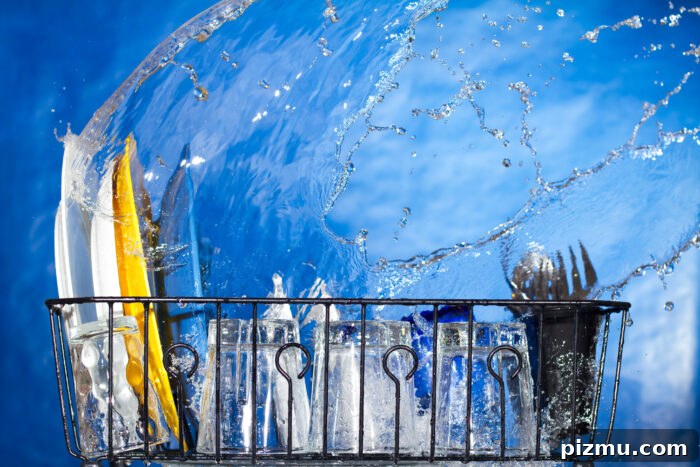
Step 3: Run a rinse cycle. Choose a short rinse that uses only water and avoid heated drying cycles if possible. High heat can affect the texture of some potatoes, so a cool or room-temperature rinse is usually best.
The dishwasher’s pressurized water and rotating spray arms will dislodge dirt, grit, and loose skin from the potato surfaces, much like the way it rinses food debris from plates. When the cycle finishes, your potatoes should be visibly cleaner and ready for cooking.
A few practical tips and cautions:
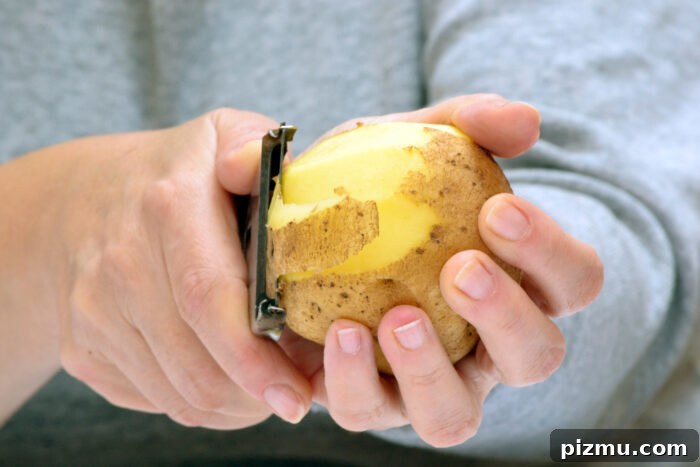
- Inspect each potato after rinsing. Remove any remaining spots of dirt or eyes with a small knife or peeler.
- For very large potatoes, cut them in half so the interior isn’t exposed to the wash; split pieces dry out more easily and can absorb more water.
- Avoid putting other food items or utensils in the dishwasher at the same time. Cross-contamination is unlikely with a plain water rinse, but keeping the machine empty ensures the best results.
- If your dishwasher has a sanitize or high-heat option, don’t use it for raw produce; stick to a gentle rinse cycle.
If you’re skeptical, give it a try on a small batch. The method saves time and spares your hands from scrubbing, and it’s especially handy when you have many potatoes to prepare. It won’t peel them for you — that step still needs a peeler or a little extra elbow grease — but it will remove the bulk of dirt and make the rest of prep much quicker.
Try this rinse-only dishwasher method the next time you have a big bag of potatoes. It’s an easy, time-saving hack that many home cooks find surprisingly effective.