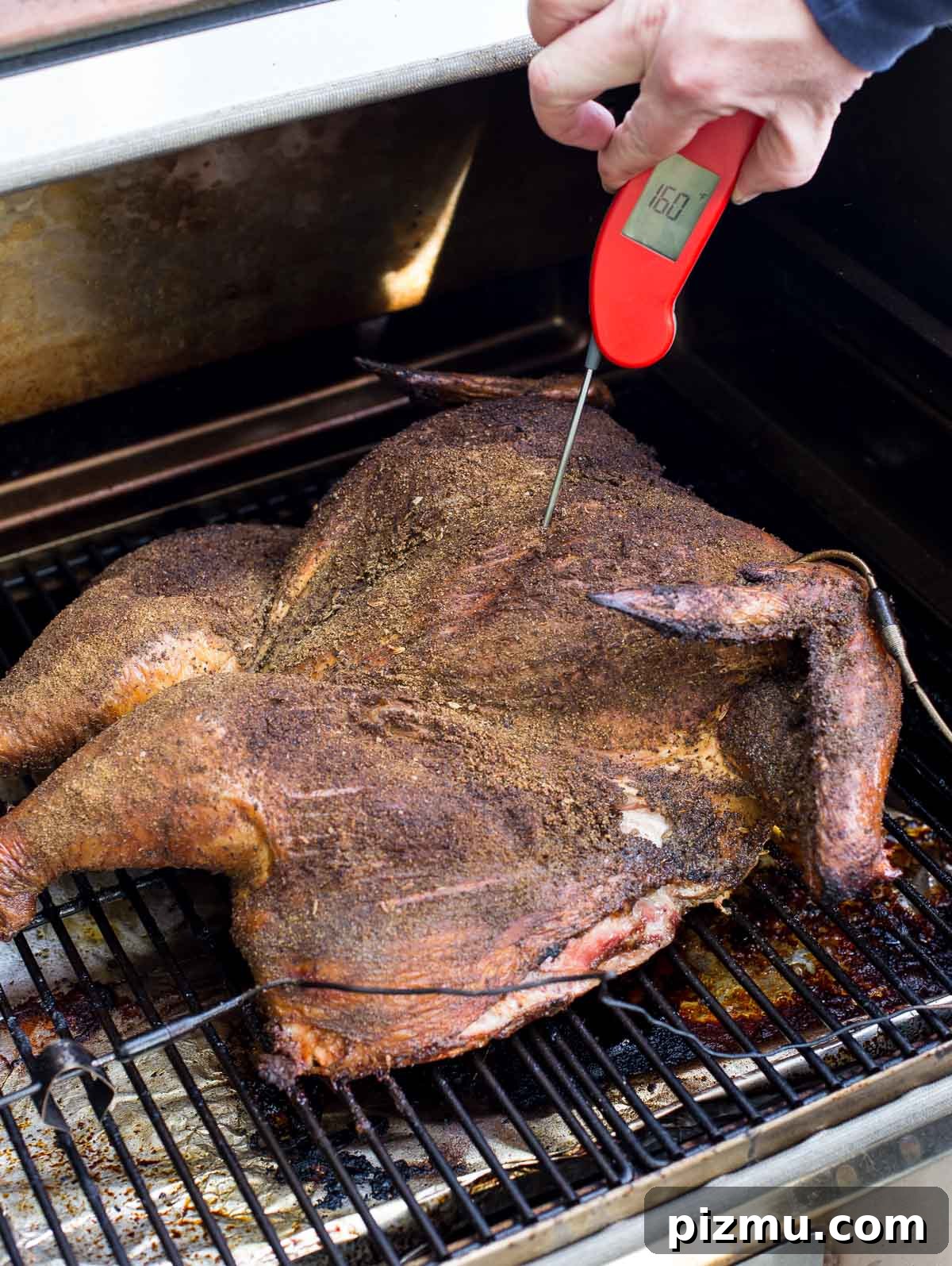
An accurate digital thermometer lets you cook and bake with confidence, producing consistent results and helping you hit precise target temperatures for meats, baked goods, and other temperature-sensitive foods. Below we explain how to check a digital thermometer’s accuracy, why digital models typically outperform dial gauges, and why an ice bath is a better test than boiling water.
Table of Contents
- Why Choose a Digital Thermometer Over a Dial Thermometer?
- The Problem with Using Boiling Water for Testing Temperature Accuracy
- The Best Way to Check The Accuracy Of A Thermometer – Ice Bath
- Expert Tip
- How To Check A Thermometers Accuracy
Why Choose a Digital Thermometer Over a Dial Thermometer?
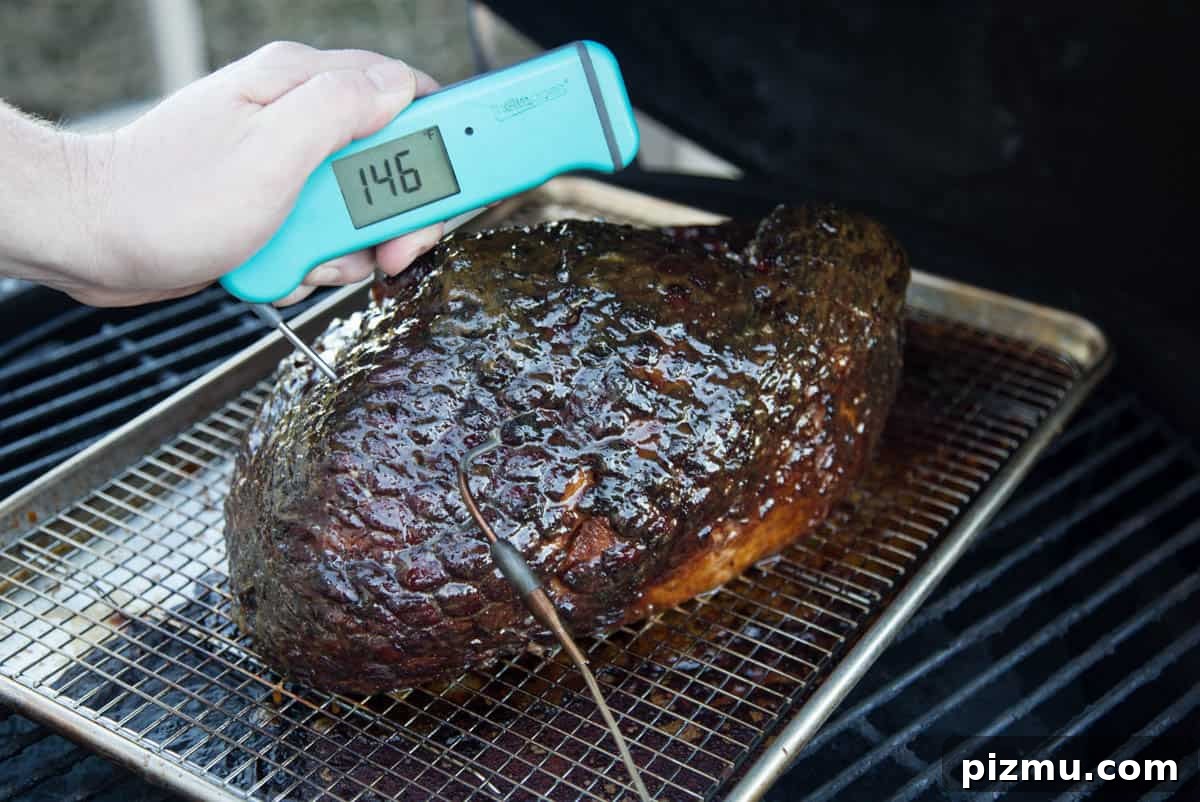
Digital thermometers are the preferred choice for many cooks because they give fast, repeatable readings and are generally easier to read than dial models. They are especially useful when a few degrees can make the difference between perfectly cooked meat and an overcooked result.
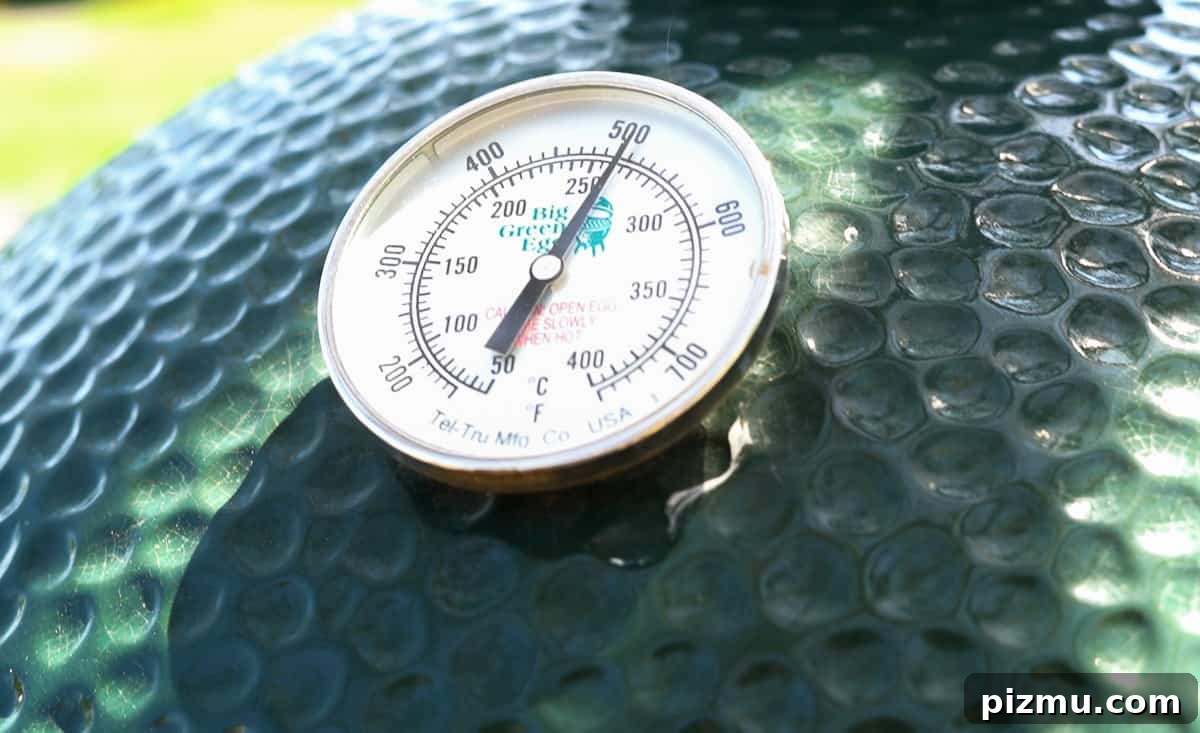
Dial thermometers work mechanically and can suffer from wear, friction, and alignment issues over time. Digital units use modern sensors that are more sensitive to small temperature changes and deliver readings more consistently.
Accuracy and Precision
Digital probes typically offer improved accuracy and precision. They detect subtle shifts in temperature quickly and hold a steady readout that’s easy to verify. For tasks that demand precision—like finishing steaks or confirming poultry is safe to eat—a digital thermometer reduces guesswork.
Mechanical dial gauges can be adequate for some uses, but they usually take longer to settle and can be harder to read in low light or at awkward angles.
Ease of Use
Digital models display temperature on a bright screen and usually require no interpretation. This makes them faster to use and reduces the chance of human error when reading the result.
Speed
Digital thermometers often stabilize in seconds, letting you work quickly without repeatedly checking. Dial thermometers can require more time to settle and may not be practical when you need a rapid reading.
The Problem with Using Boiling Water for Testing Temperature Accuracy
Testing a thermometer in boiling water is common, but it has pitfalls. The boiling point of water varies with altitude and local atmospheric pressure, so the expected temperature at which water boils is not the same everywhere.
At sea level pure water boils at 212°F (100°C), but the temperature drops as elevation increases. If you calibrate against boiling water without knowing the exact local boiling point, your calibration could be off.
The Best Way to Check The Accuracy Of A Thermometer – Ice Bath
The most reliable at-home test is an ice water bath. When prepared correctly, the ice bath provides a stable reference near 32°F (0°C) regardless of altitude, making it ideal for verifying and adjusting most food thermometers.
Materials Needed
- A container or glass large enough for the probe
- Crushed ice or plenty of ice cubes
- Clean water
- A digital or dial thermometer to test
- A stirrer or spoon (optional)
How To Check Your Thermometers Accuracy
- Prepare the ice bath: Fill the container completely with crushed ice or ice cubes, then add just enough water to fill the gaps so the ice is in contact with the probe. The container should be very cold and the ice should occupy most of the volume.
- Insert the probe: Submerge the thermometer probe in the ice water, ensuring it does not touch the sides or bottom of the container. Contact with glass or metal can skew the reading.
- Allow the reading to stabilize: Digital probes usually settle within a few seconds; dial thermometers can take longer. Wait until the displayed temperature stops moving.
- Read the result: The correct temperature for a properly mixed ice bath is 32°F (0°C). Note any difference between the thermometer reading and 32°F.
- Calibrate or note the offset: If your thermometer includes a calibration or offset adjustment, follow the manufacturer’s instructions to correct it. If it does not, record the offset and apply it mentally when using the thermometer, or seek professional calibration services if accuracy is critical.
Expert Tip
Make sure the container is full of ice. If there’s a pocket of just water at the bottom, the probe may sit in warmer water and give an inaccurate reading. The probe should be surrounded by the ice-water mixture, not resting on the bottom.
Regular Maintenance and Recalibration
Check your thermometer periodically as part of routine maintenance. Frequency depends on use—professional kitchens may verify instruments monthly, home cooks might check every few months. Follow the manufacturer’s guidance for recalibration or servicing when needed.
Storage and Handling
Store the thermometer in its protective case when not in use. Avoid exposing it to extreme heat, moisture, or hard impacts. Proper care extends sensor life and preserves accuracy.
Get Cooking
Verifying a thermometer with an ice bath is simple and effective. Digital thermometers give fast, clear readings and are easy to verify against a stable ice-water reference. Regular checks and responsible storage help ensure your thermometer stays reliable so you can consistently hit the temperatures you want for poultry, steaks, roasts, and baked goods.
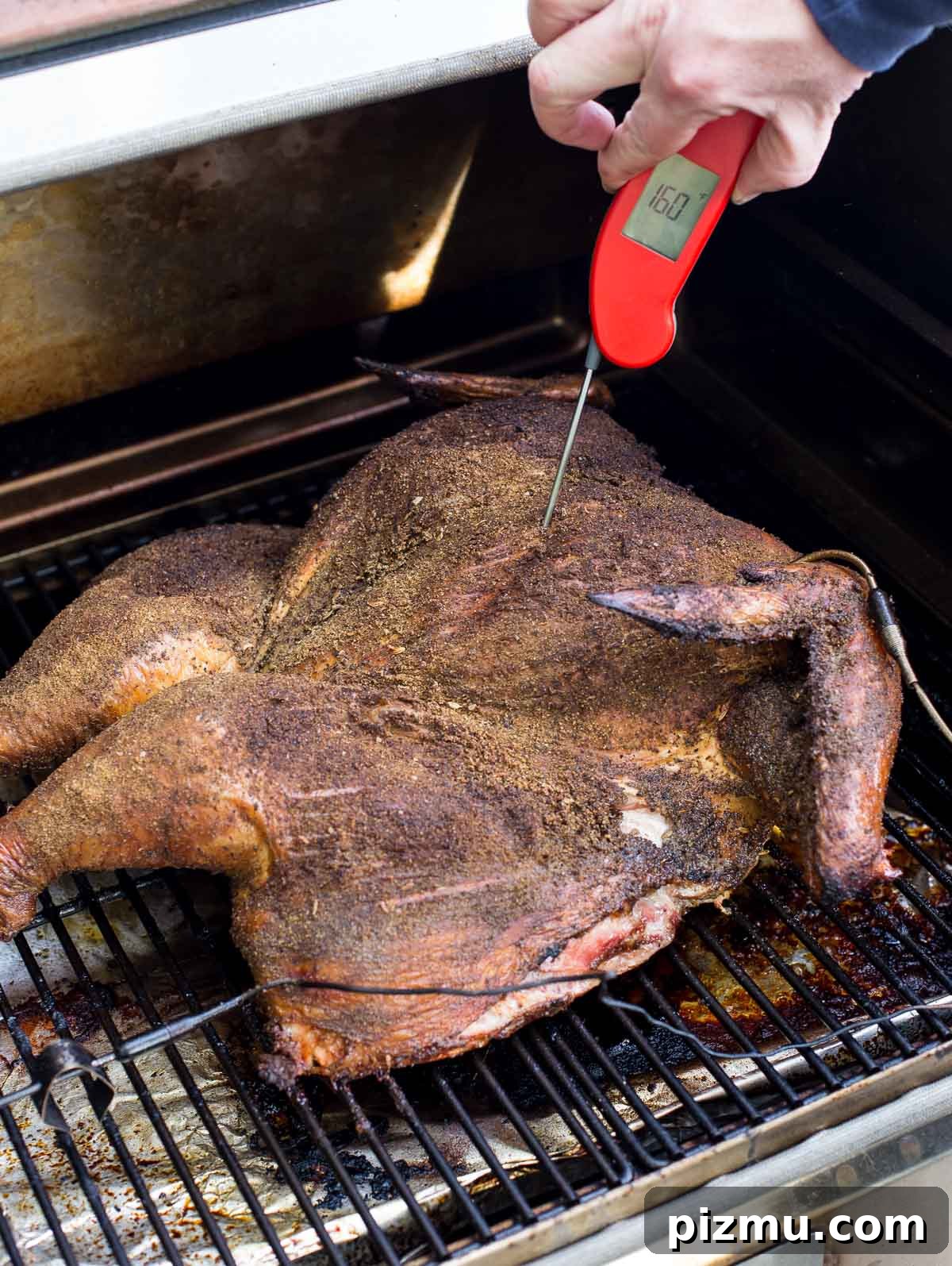
Remember: boiling water is not a one-size-fits-all calibration point because the boiling temperature varies with altitude. For most home and professional uses, the ice bath is the most reliable DIY method. If you need absolute lab-grade accuracy, consider professional calibration services or certified reference equipment.
Related Content
- The best instant-read thermometers and what to look for in a reliable model
- Affordable digital thermometers that perform well under $35
- Essential tools for pizza and high-temperature cooking
- Wireless thermometers and remote monitoring options for long cooks
How To Check A Thermometers Accuracy
5
1
1 container
Equipment
- Large cup or container
- Instant-read thermometer or probe
Ingredients
- 2 cups ice — be sure ice fills the container
- 2 cups water
Instructions
- Prepare the ice bath: fill a container with crushed ice or ice cubes and add just enough water to fill the gaps so the ice surrounds the probe.
- Insert the thermometer: submerge the probe without touching the sides or bottom of the container.
- Wait for stabilization: allow the reading to settle. Digital units usually take a few seconds; dial gauges can take longer.
- Check and adjust: the target is 32°F (0°C). If your device reads differently, follow its calibration procedure or note the offset for future measurements.
Notes
Follow the manufacturer’s recommendations for calibration where available. If precise accuracy is essential, consider professional calibration services.
Accuracy checks are for verification; do not rely on automatic nutrition calculations in this context.
Additional Info
Found this useful? Leave a comment below to share your experience.