Rolled oats are a kitchen staple for many households, prized for being affordable, shelf-stable, and versatile in cooking and baking. Whether you follow a frugal lifestyle, prefer minimally processed foods, or avoid gluten-containing grains, learning to roll your own oats at home adds both nutrition and flavor to everyday meals.
About the Oat Seed
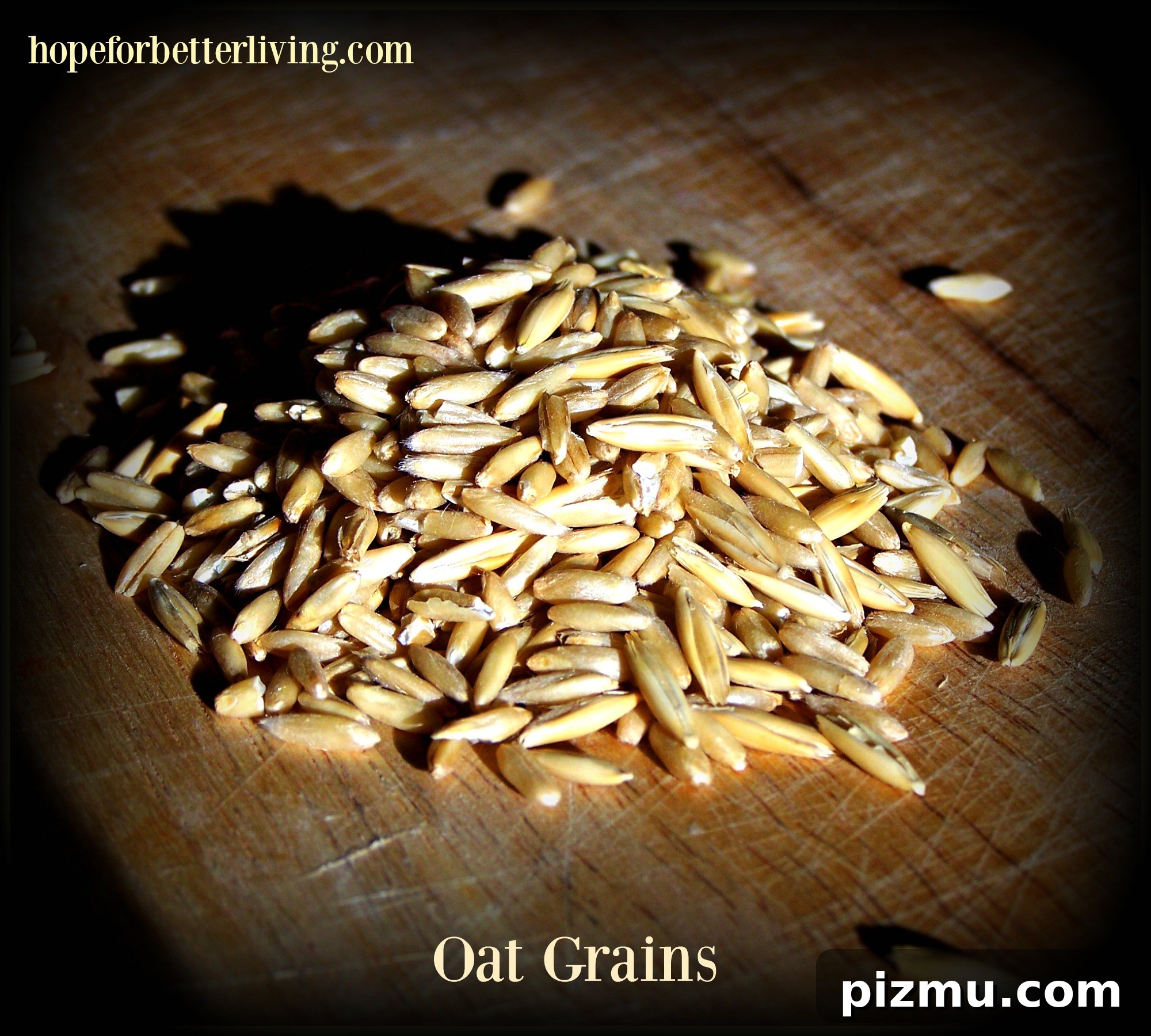
Oats have been cultivated and consumed for centuries and are grown in many regions around the world. While a substantial portion of oat production serves livestock feed, a meaningful share is processed for human consumption in forms such as steel-cut, rolled, and quick oats.
Oat seeds, or groats, have not been widely genetically modified and naturally contain no gluten, making them a suitable choice for people with gluten sensitivities (though cross-contamination can occur during processing). Oats also have a higher oil content than many other cereal grains, which affects how they are stored and processed.
Parts of a Grain Seed
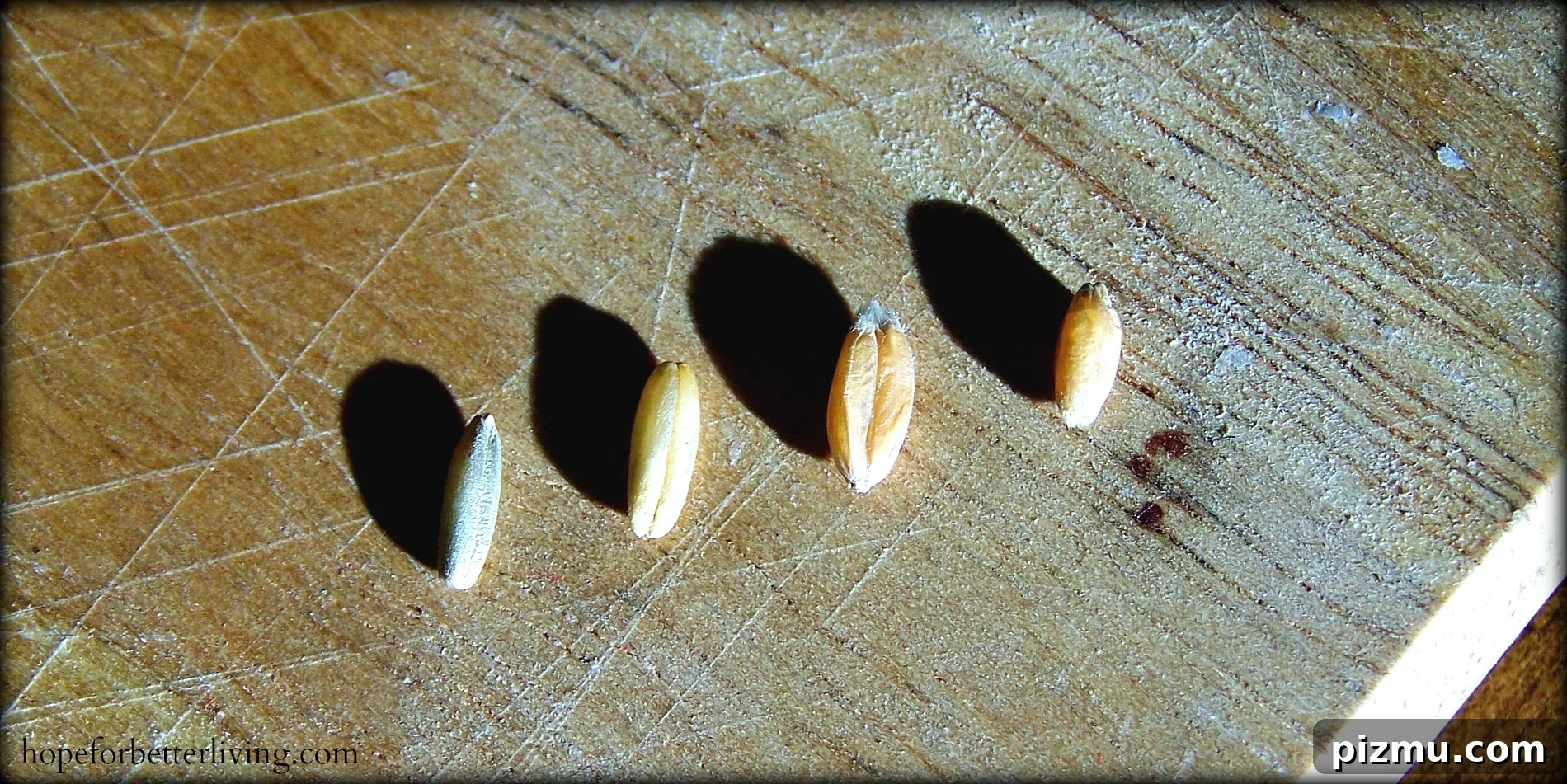
All cereal grains share the same basic structure: bran, germ, and endosperm. The bran is the tough outer layer that contains most of the grain’s fiber, vitamins, and minerals and serves to protect the inner seed.
The germ is the small embryo inside the grain that holds concentrated nutrients like vitamin E and B vitamins. The endosperm comprises the bulk of the seed and provides carbohydrates and protein for the plant—in human diets, it supplies much of the grain’s energy content.
When oats are commercially processed, many of these natural nutrients can be reduced or altered by cleaning, steaming, and toasting steps that improve shelf stability and uniform cooking characteristics. Rolling oats at home gives you more control over how much of the whole grain is preserved.
Truth About Commercially Prepared Oats
Because oats have a relatively high oil content, they are prone to rancidity if exposed to oxygen and heat. Commercial processors remove outer impurities, steam the groats, and then cut or roll them to create the various oat products on store shelves. The steaming and toasting stabilize the fats and enzymes so the oats store well and cook predictably.
While commercial processing improves shelf life and convenience, it also changes flavor and can reduce certain heat-sensitive nutrients. If you want oats with maximum natural flavor and nutrient retention, preparing them at home is an attractive option.
Why You Should Roll Your Own Oats
Rolling your own oats preserves the grain’s natural oils, fiber, and nutrients that can be diminished by commercial steaming and toasting. Freshly rolled oats retain a richer, nuttier taste and a more substantial texture than many pre-processed varieties.
If you already grind your own flour to capture freshness and flavor, rolling oats is a logical next step. Home-rolled oats are less processed and give you the flexibility to choose flake thickness and cooking methods to suit your recipes.
What Is an Oat Roller?
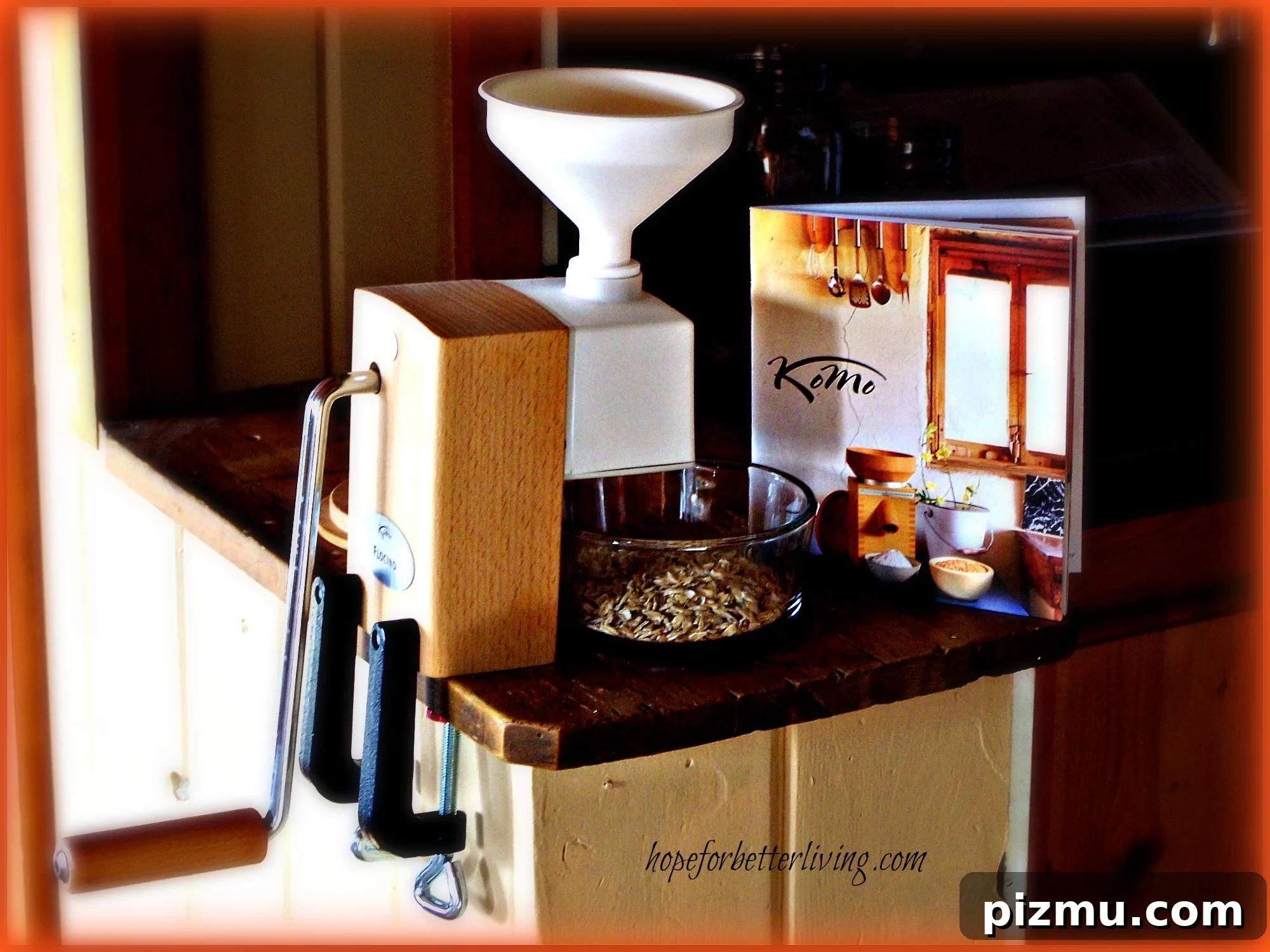
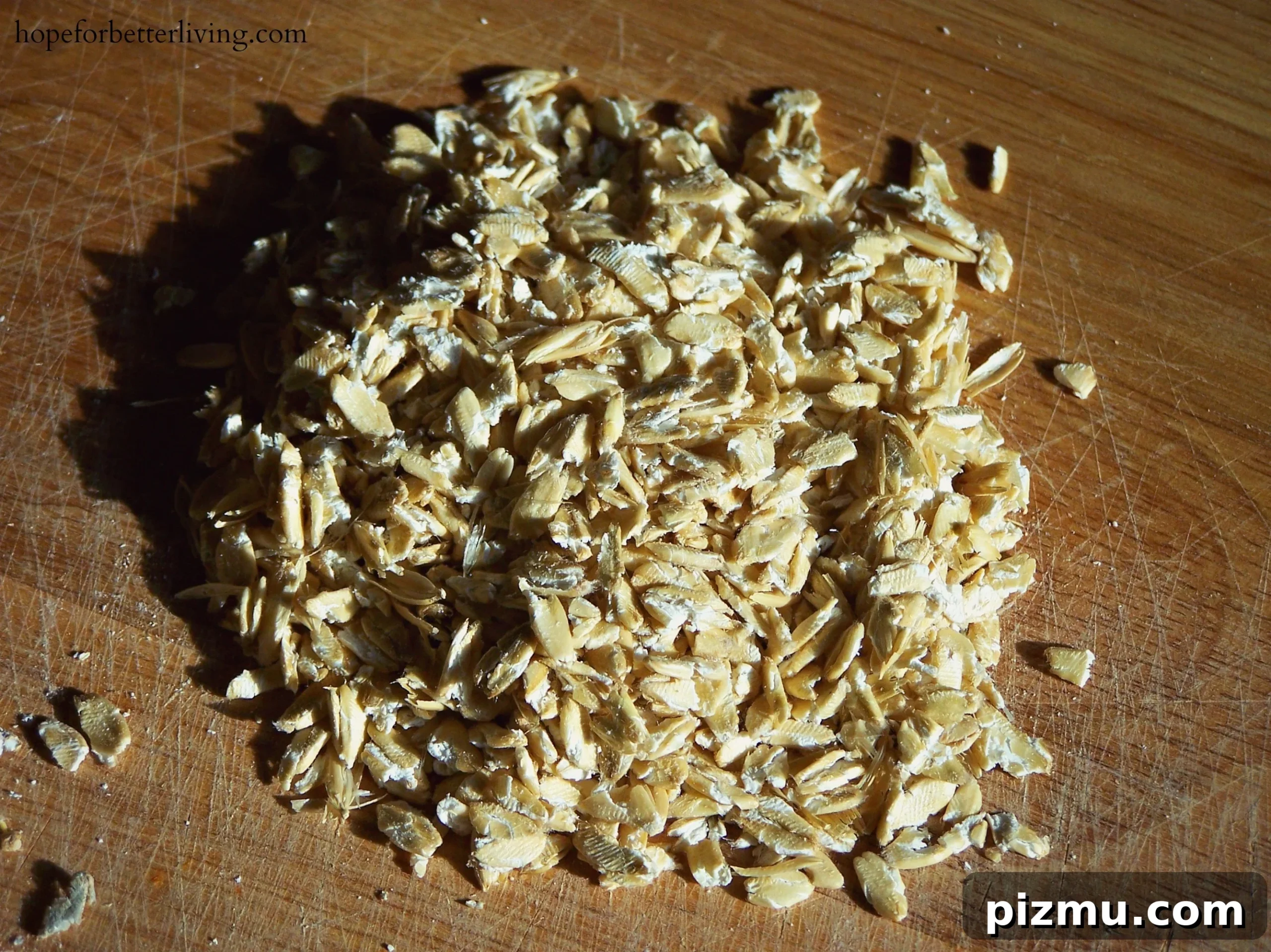
An oat roller, also called a grain flaker, is a device that flattens whole grains into flakes. While commonly used for oats, flakers can also process wheat, rye, barley, and other whole grains. Home-rolled oats will look and feel different from factory-steamed flakes; they often retain part of their seed shape and a heartier texture.
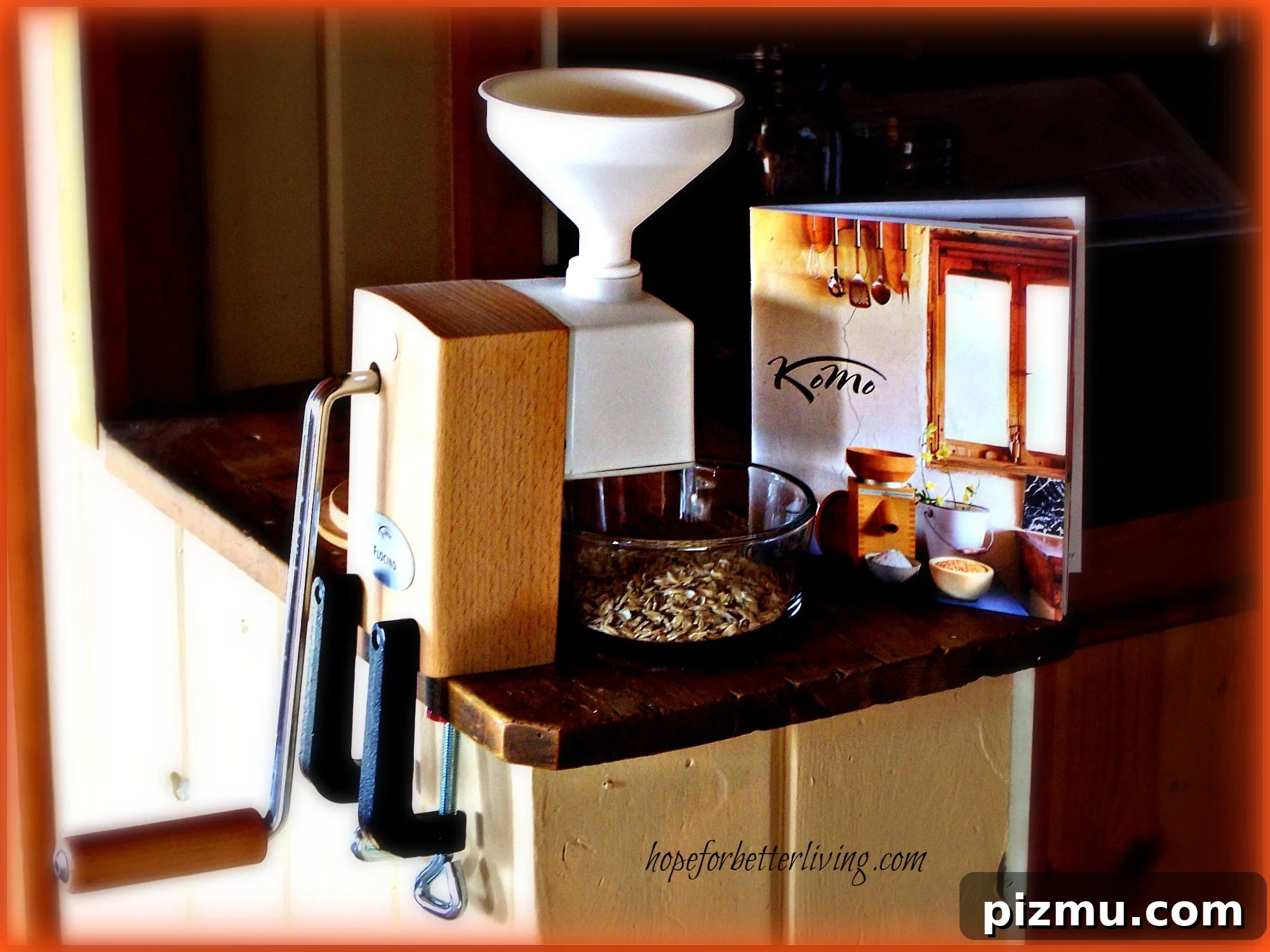
Quality flakers offer adjustable settings to control flake thickness and come in manual and electric models. Some countertop appliances have optional flaker attachments that connect to popular mixers, while standalone flakers are designed specifically for grain processing. There are also combination machines that flake and grind, for those who want multiple functions in one device.
Types Available for Your Kitchen
For home use you can choose between simple manual flakers, electric countertop models, or attachments that work with existing kitchen mixers. Manual flakers are affordable and compact, while electric options provide greater throughput and consistent results. If you want versatility, look for units that allow thickness adjustment and offer reliable build quality.
Sourcing Oat Groats
Finding whole oat groats may require some searching depending on your area. Smaller farms and local grain suppliers often sell groats in bulk, and local food co-ops or specialty mills can be good sources. Ask about how the groats were cleaned—oats intended for animal feed may still have hulls attached and aren’t suited for home flaking.
3 Tips for Working with Fresh Oats
Switching from processed oats to freshly rolled groats means adjusting how you buy, store, and use oats. Keep these three tips in mind for the best results.
Tip #1: Buy Well-Cleaned Groats
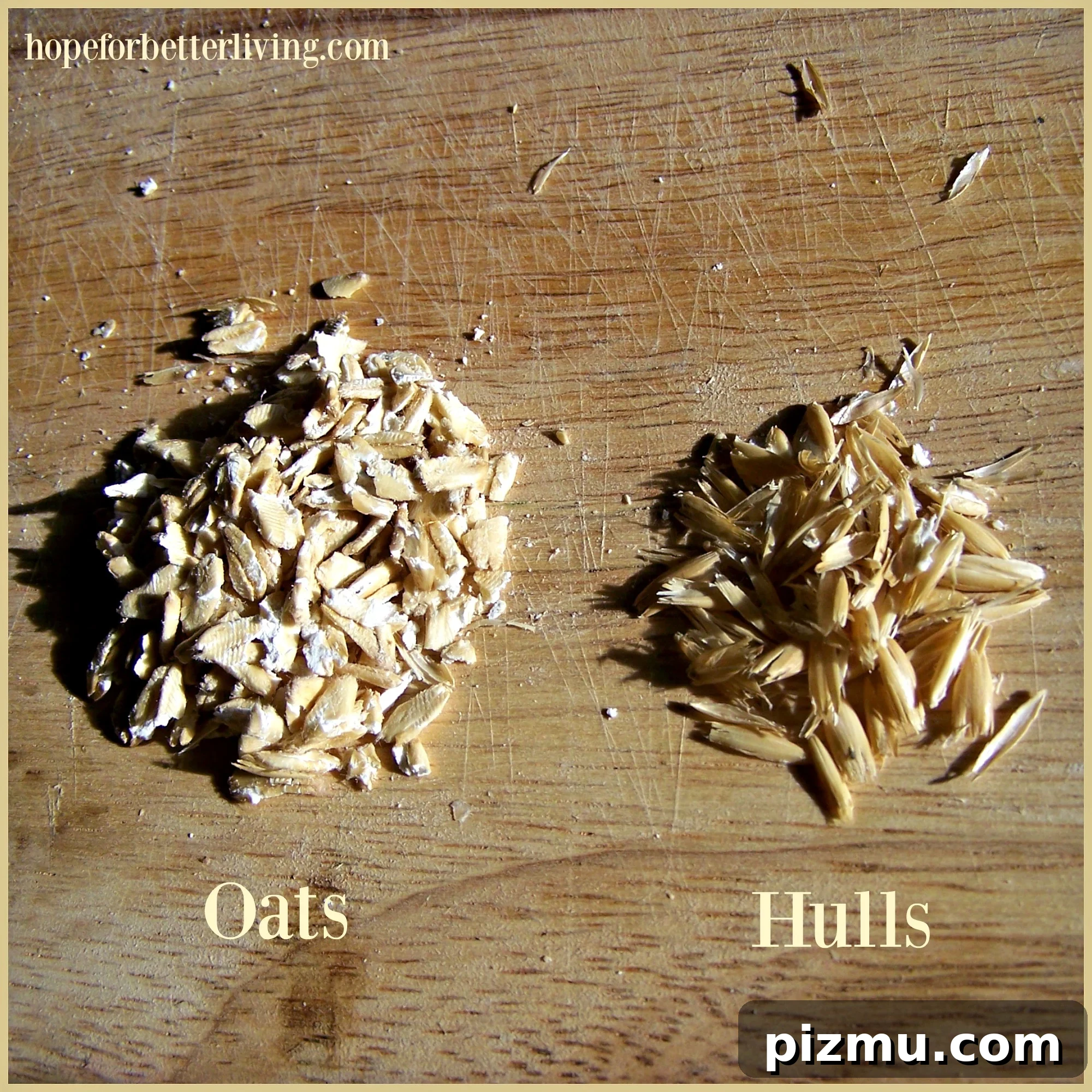
Because oats are difficult to hull, choose groats that have been properly cleaned. Small amounts of hulls may be acceptable if you plan to mill the oat into flour, but hull fragments will be unpleasant in porridge or baked goods. Always confirm that groats sold for home use are hulled and ready for rolling.
Tip #2: Prevent Rancidity
Because freshly rolled oats retain more natural oils, they can turn rancid faster than commercially toasted oats. Roll only the amount you plan to use soon after or roll in batches and store them in the freezer to extend shelf life. Treat freshly rolled oats like fresh-ground flour: keep them cool, dry, and airtight.
Tip #3: Adjust Liquids and Storage for Recipes
Home-rolled oats absorb more liquid than most commercial quick oats, so increase water or milk when making porridge. In baking, add slightly more liquid than a recipe with pre-rolled oats calls for, and expect a denser, heartier texture. Because baked goods made with fresh-rolled oats also have more natural oils, refrigerate or freeze items you won’t eat within a few days to keep them fresh longer.
Benefits of Fresh Rolled Oats
Rolling oats at home preserves flavor and nutrients and gives you control over thickness and texture. Freshly rolled oats have a rich, nutty taste that stands out in porridge, granola, and baked goods. For anyone who values whole foods, minimal processing, and superior flavor, rolling your own oats is a rewarding kitchen skill.